

Your dog loves your yard a little too much. One week of digging leaves you with craters, exposed roots, and bare patches that trip you up and ruin your view. The good news? You can fix this yourself in a weekend, no landscaper required.
Dog digging happens for plenty of reasons — boredom, heat, hunting bugs, or pure instinct. Whatever the cause, the holes left behind need a proper fix, not just a quick fill. Done right, the repair blends in and stays put.
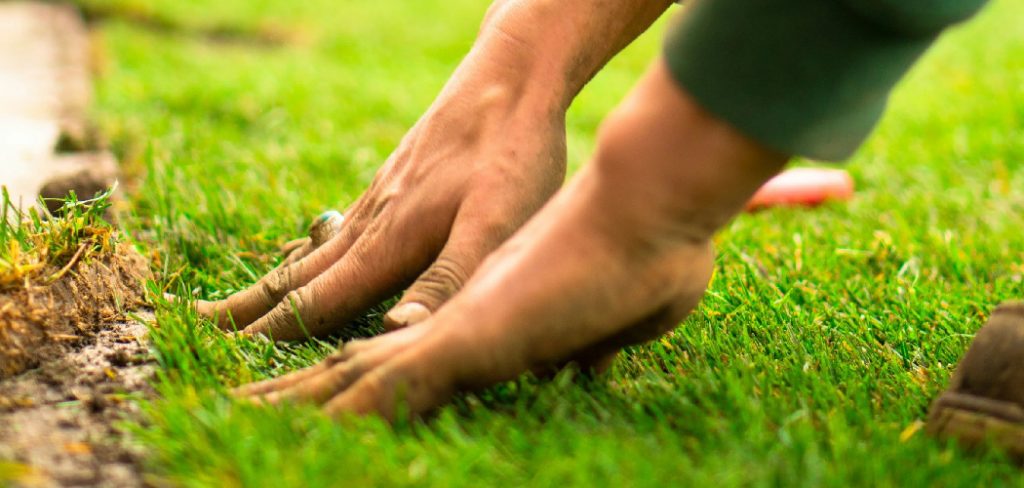
This guide walks you through how to fix holes in yard from dog digging step by step, using simple tools and materials you can grab at any hardware store. By the end, you’ll have a smooth, healthy lawn and the know-how to handle future digs fast.
Why Fixing Dog Holes in Your Yard Matters
Unfilled holes do more than look bad. They’re a safety hazard. A hidden hole can roll an ankle, trip a child, or injure your dog mid-sprint. Fix them, and you remove the risk.
There’s a money angle too. Open holes expose soil to erosion and pooling water, which kills surrounding grass and widens the damage. Small problems become expensive ones. A patch today saves you from reseeding half your lawn next spring.
Your home value benefits as well. A tidy, even lawn signals a cared-for property — something buyers and neighbors notice. Patchy, pitted grass does the opposite.
Learning this skill puts you in control. You stop relying on costly pros and start fixing damage the moment it appears. That’s faster, cheaper, and far more satisfying.
Tools and Materials You’ll Need
Gather everything before you start. A single trip to the store keeps your repair smooth and stops you from working with half-dry soil.
- Garden shovel or spade — for digging, shaping, and removing debris from holes
- Garden rake — to level soil and break up clumps
- Topsoil or garden soil — the main fill for deep holes
- Compost or organic matter — feeds new grass and improves soil quality
- Grass seed — matched to your existing lawn type for a clean blend
- Hand tamper or sturdy board — to firm packed soil and prevent sinking
- Garden hose or watering can — for steady, gentle watering
- Work gloves — to protect your hands during digging and filling
- Straw or mulch (optional) — covers fresh seed, holds moisture, and speeds germination
Match your grass seed to what’s already growing. A mismatch leaves obvious patches that defeat the whole repair.
Step-by-Step Guide on How to Fix Holes in Yard from Dog Digging
Step 1 – Inspect and clear each hole
Start by walking your yard and finding every hole. Some hide under tall grass or leaves, so look closely and mark each one with a stick or flag.
Pull on your gloves and clear out the debris. Scoop loose dirt, rocks, sticks, and any chewed toys your dog buried. You want clean, open holes down to firm soil.
Feel the edges with your hand. Crumbly, loose sides need trimming back to solid ground so your fill has something to grip. Run your fingers along the base — if it’s still soft and powdery, dig a little deeper until you hit packed earth.
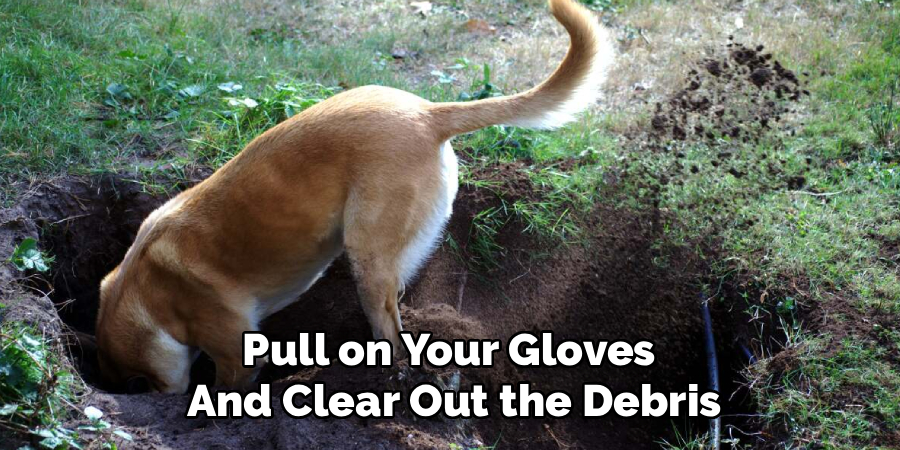
This first pass tells you how much soil you’ll need and stops you from filling over hidden junk.
Step 2 – Check for the cause of digging
Fixing the hole means little if your dog digs it again next morning. Take a few minutes to figure out why.
Dogs dig to cool down, chase rodents, escape, or burn energy. Look for patterns. Holes near fences often mean escape attempts. Shady-spot digging usually means your dog is hot. Scattered holes point to boredom or pests.
Sniff around and check for tunnels — moles and grubs attract digging. If you spot pest signs, treat the soil before you repair, or the holes return fast.
Knowing the cause lets you fix the yard and the behavior together. That’s the difference between a one-time repair and a monthly chore.
Read More: How to Repair Hole in Garden Hose.
Step 3 – Loosen the surrounding soil
Don’t dump fresh soil onto hard, glazed dirt. It won’t bond, and the patch will sink or wash away after the first rain.
Take your shovel and scrape the bottom and sides of each hole. Break up the compacted layer until the surface feels rough and loose under your fingers. You’re creating grip so new soil locks into old.
For wider holes, score the edges in a crosshatch pattern. This rough texture helps roots spread outward instead of stopping at a smooth wall.
The soil should feel crumbly, not dusty. If it’s bone-dry, mist it lightly with your hose. Damp soil binds better and gives your repair a stronger foundation from the start.
Step 4 – Fill with topsoil and compost
Mix your topsoil and compost in a roughly three-to-one ratio. The compost adds nutrients; the topsoil adds body. Together they give new grass everything it needs to root.
Shovel the mix into each hole in layers, not one big dump. Add a few inches, then press down with your hand or board. Repeat until the hole is nearly full.
You’ll feel the soil firm up as you press. That’s what you want — solid, not spongy. Skipping this packing step is exactly why DIY fixes sink weeks later.
Stop filling about half an inch below the surrounding grass line. This leaves room for seed and a final soil cap, which is key to how to fix holes in yard from dog digging so the patch sits flush.
Read More: How to Repair Brown Grass Patches.
Step 5 – Level the surface
A flush, even surface keeps your lawn safe and looking sharp. Bumps and dips invite re-digging and trip hazards.
Grab your rake and smooth the filled soil. Pull it level with the surrounding grass, working in light strokes. Knock down any clumps until the surface feels uniform under the rake’s teeth.
Step back and eye it from a few feet away. Low spots cast small shadows; raised spots catch the light. Add or remove soil until it all blends into one plane.
Press one last time with your board. The surface should feel firm and flat when you walk across it — no sinking, no wobble. A level base now means even grass growth later, with no surprise dips.
Step 6 – Add grass seed
Now bring the patch back to green. Sprinkle grass seed evenly over the filled soil, matching the type already in your lawn for a clean blend.
Aim for about 16 seeds per square inch — enough to fill in thick without crowding. Too few leaves bare gaps; too many chokes the seedlings. Scatter by hand in a sweeping motion for even coverage.
Rake the seed in gently so it sits just under a thin soil layer. Seeds need contact with soil and a little cover, not burial. You should still see flecks of seed peeking through.
Press the area one final time. Good seed-to-soil contact is the single biggest factor in fast, even germination, so don’t skip this light tamp.
Step 7 – Water thoroughly
Water turns your repair from a dirt patch into living grass. Give the area a gentle, deep soak right after seeding.
Use a fine spray, not a hard blast. A heavy stream washes seed away and undoes your work. Mist until the soil darkens and feels damp two inches down, then stop before puddles form.
For the next two to three weeks, keep the soil consistently moist. Light watering once or twice daily beats one heavy soak. Dry seed won’t sprout; soggy seed rots.
You’ll see the first green shoots in seven to fourteen days, depending on your grass type and weather. That fresh, soft growth is your sign the repair took hold and the worst is behind you.
Read More: How to Fix Woodpecker Holes in House.
Step 8 – Protect and monitor the area
New grass is fragile. One enthusiastic dog or a few footsteps can flatten weeks of progress, so guard the patch while it establishes.
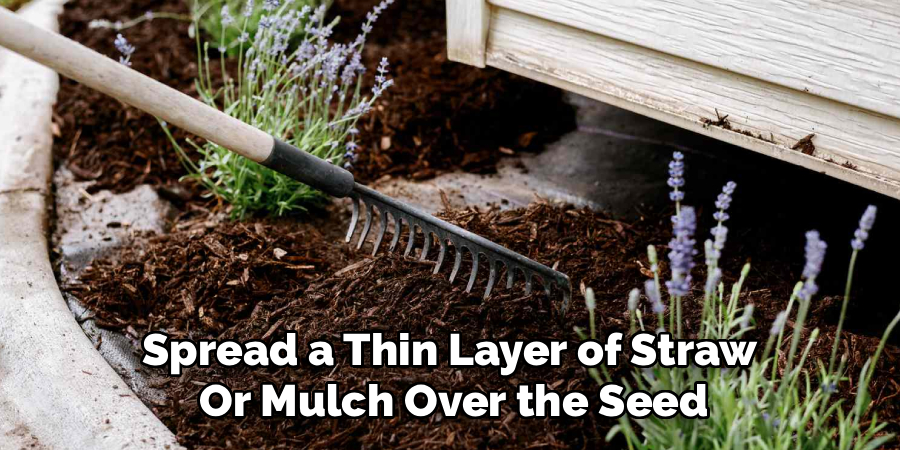
Spread a thin layer of straw or mulch over the seed. It holds moisture, blocks birds, and shields seedlings from harsh sun. You’ll still see soil through it — that’s the right amount.
Block access with a small fence, garden stakes, or a laundry basket flipped over the spot. Keep your dog and foot traffic off until the grass reaches mowing height.
Check the patch every couple of days. Watch for dry spots, washed-out seed, or fresh digging. Quick touch-ups now keep the repair on track and save you from starting over.
Critical Mistakes When Repairing Dog Holes in Your Yard
Most failed repairs trace back to a handful of avoidable errors. Knowing them ahead of time saves you a do-over.
Skipping the cause. The biggest mistake is fixing the hole and ignoring why your dog dug it. If boredom, heat, or pests drove the digging, your fresh patch becomes tomorrow’s crater. Address the behavior or pest problem alongside the repair, every time.
Not packing the soil. Loose fill looks done but isn’t. Within weeks, it settles and sinks, leaving a dip that collects water and re-exposes the area. Press soil in layers as you fill, and tamp the final surface firmly. Firm soil stays put.
Wrong grass seed. Grabbing whatever seed is on the shelf leaves you with mismatched color and texture — an obvious patch that stands out worse than the hole did. Match your existing lawn type for a seamless blend.
Overwatering or underwatering. Drowning seeds rots them; letting them dry out kills them before they sprout. Aim for consistently moist, never soggy. Light, frequent watering wins.
No protection. Leaving fresh seed open to dogs, birds, and foot traffic undoes your effort fast. Cover with straw and block the area until grass establishes.
Expert Tips
Repair after rain when you can. Damp soil digs easier, packs tighter, and bonds better with fresh fill — your patch sets faster with less effort.
Keep a small “lawn repair kit” ready: a bag of topsoil-compost mix, matched grass seed, and a hand tamper in your shed. When a new hole appears, you fix it the same day instead of waiting for a store trip.
Time your seeding with the season. Cool-season grasses sprout best in early fall or spring; warm-season grasses prefer late spring. Right timing means faster, thicker growth.
For repeat diggers, redirect the behavior. Set up a dedicated digging zone with loose sand or soil, and reward your dog for using it. You protect your lawn and keep your dog happy at once.
Finally, mow the new grass only after it reaches three inches. Early mowing tears young roots loose.
Frequently Asked Questions
How long does it take for the grass to grow back?
Most grass seed sprouts in 7 to 14 days, with full coverage in 4 to 8 weeks. Timing depends on three things:
- Grass type — ryegrass sprouts fast, fescue and bluegrass take longer
- Weather — warm, mild conditions speed germination
- Watering — consistent moisture is essential for steady growth
Keep the soil damp and protected, and you’ll see green shoots within two weeks.
Why does my dog keep digging in the same spot?
Dogs return to the same spot for a reason — usually pests, cool soil, or buried scent. Grubs and moles underground are a top trigger. Your dog smells them and digs to hunt. Treat the soil for pests, remove any buried items, and block the area. If the spot is shaded and cool, your dog may be escaping heat, so offer a shaded resting place instead.
Can I fix dog holes without reseeding?
Yes, for small holes you can use sod plugs instead of seed. Cut a patch of matching sod, fit it snugly into the filled, leveled hole, and press it firmly into contact with the soil. Water it daily for two weeks. Sod gives instant green and skips the germination wait, though it costs more than seed and needs a close grass-type match.
What’s the best soil to fill dog holes with?
A mix of topsoil and compost works best, roughly three parts topsoil to one part compost. Topsoil gives structure and matches your existing ground; compost adds nutrients that feed new roots. Avoid pure sand or fill dirt — they drain poorly or lack nutrients. Skip potting soil too, since it’s built for containers, not lawns, and washes out fast outdoors.
How do I stop my dog from digging again?
Address the cause first, then redirect the behavior. Try these proven moves:
- Boost exercise — a tired dog digs less
- Treat for pests — remove grubs and moles that attract digging
- Add shade and water — cool dogs stay out of the dirt
- Create a dig zone — give a sand pit and reward its use
Consistency turns these habits around within weeks.
Conclusion
Holes from a digging dog feel frustrating, but the fix is genuinely simple. Clear each hole, find out why your dog dug it, loosen the base, fill with a topsoil-compost mix, level it flush, seed, water, and protect. Follow those steps and your lawn comes back even and green.
The real win is solving both problems at once — repairing the damage and stopping it from coming back. Treat for pests, add shade, boost exercise, or build a dig zone, and you break the cycle for good.
You don’t need a landscaper or a big budget. A weekend, a few basic tools, and a little patience get the job done. Now that you know how to fix holes in yard from dog digging, you can tackle new damage the day it appears, keep your yard safe, and protect your home’s curb appeal year-round.
Grab your shovel, match your seed, and get started. Your lawn — and your dog — will thank you.