

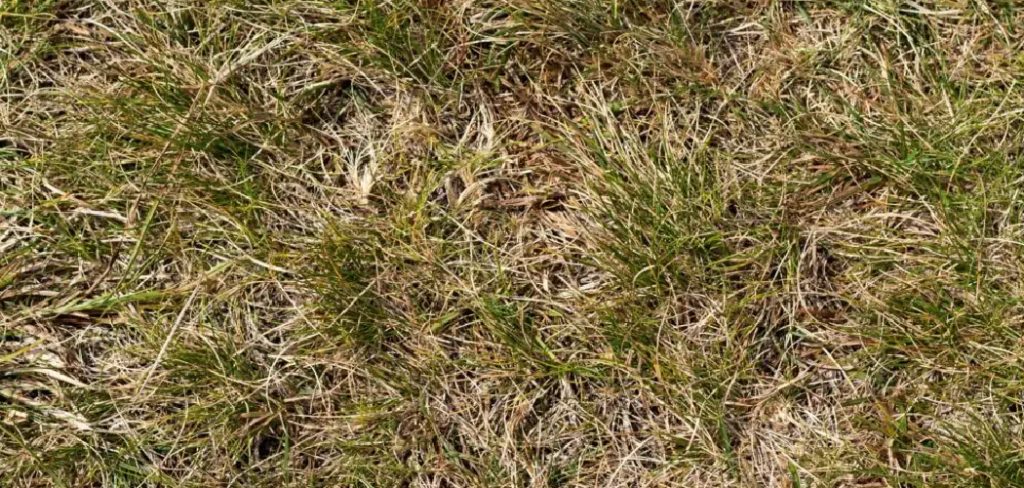
Are you tired of looking at those ugly dead spots in your yard? You are not alone. Many homeowners deal with lawn damage at some point.
Figuring out how to repair brown grass patches can seem tough. But fixing these dead zones yourself is much easier than you think.
DIY lawn repair saves you a ton of money. Professional landscapers often charge high fees for simple patch jobs.
By tackling this weekend project yourself, you keep money in your pocket. You also learn a valuable skill for future home maintenance.
We will walk you through the entire process. Let us grab our tools and get your lawn looking green and lush again!
What Causes This Problem?
Before you fix the issue, you must find out why it happened. Grass dies for many different reasons.
If you do not solve the root cause, the dead spots will just come back. Here are the most common culprits behind lawn damage:
- Pet Urine: Dogs have high nitrogen levels in their urine. This can burn your grass and leave a distinct brown circle with a dark green ring around it.
- Lawn Diseases: Fungal infections love damp, poorly drained soil. Brown patch disease thrives in hot, humid weather.
- Grubs and Pests: Beetles lay eggs in your soil. When they hatch, the grubs eat the grass roots, causing the blades to die and turn brown.
- Dull Mower Blades: Cutting your grass with a dull blade tears the grass instead of cutting it cleanly. This stresses the plant and leads to brown tips.
- Poor Watering Habits: Watering too little leaves grass thirsty. Watering too much can drown the roots and invite nasty fungi to grow.
- Soil Compaction: Heavy foot traffic squishes the soil together tightly. This prevents oxygen and water from reaching the deep roots.
Essential Tools & Materials Needed
Having the right gear makes this job quick and painless. Gather all your supplies before you begin.
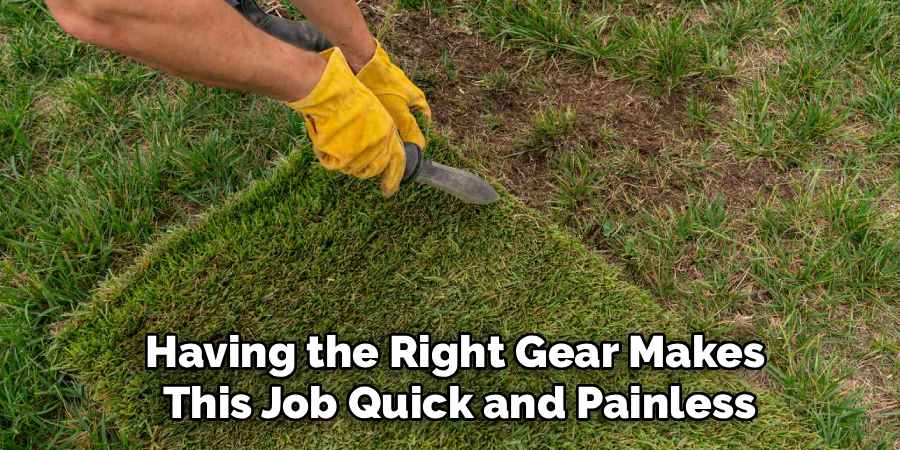
You can find most of these items in your garage or at a local hardware store.
Here is exactly what you need for a successful repair:
- A sturdy steel rake: Needed to clear away the dead grass and loosen the hard topsoil.
- Hand trowel or small shovel: Useful for digging out deep weeds or heavily damaged soil.
- High-quality grass seed: Choose a seed blend that matches your current lawn type.
- Lawn soil or compost: A nutrient-rich base helps new seeds germinate quickly.
- Starter fertilizer: Gives your new grass the nutrients it needs to establish strong roots.
- Garden hose with a misting nozzle: Essential for gentle watering that will not wash seeds away.
- Work gloves: Protect your hands from blisters and sharp debris.
- Seed spreader (optional): Helpful if you are fixing very large areas.
Step-by-Step Fix Guide
Ready to get your hands dirty? Follow these beginner-friendly steps carefully.
Learning how to repair brown grass patches is all about patience and proper preparation.
Step 1: Clean Out the Dead Grass
First, you need to remove the dead material. Grab your steel rake and aggressively scratch at the brown patch.
Pull up all the dead, matted grass. This layer is called thatch, and it blocks water from reaching the soil.
Make sure you rake until you see bare dirt. Remove any rocks, sticks, or weeds from the area.
Step 2: Loosen the Hard Soil
New grass roots cannot push through hard, compacted dirt. You must loosen the earth to help them grow.
Use your hand trowel or the heavy tines of your rake. Dig down about two to three inches into the soil.
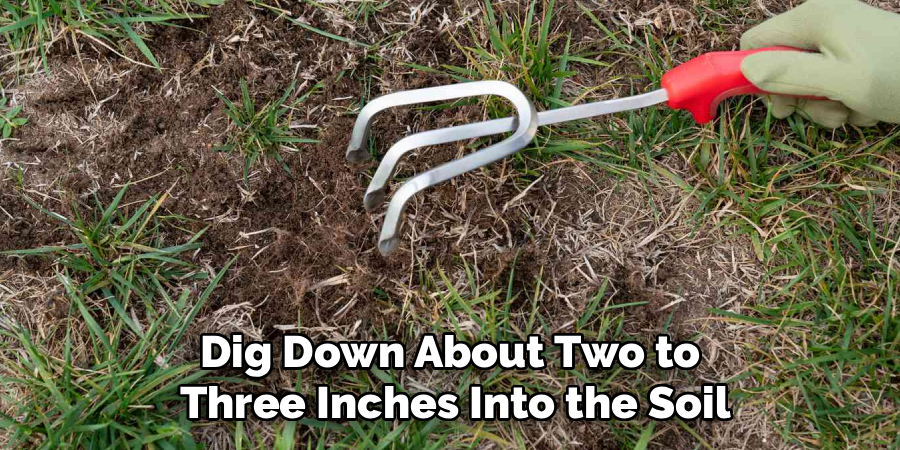
Break up any large clods of dirt. The soil should look crumbly and soft when you are done.
Step 3: Add Fresh Lawn Soil
The existing dirt in a dead patch might lack vital nutrients. Adding fresh soil gives your seeds a fighting chance.
Spread about an inch of high-quality compost or lawn soil over the bare spot.
Use your rake to level it out. Ensure the new soil sits flush with the rest of your lawn so you do not create a bump.
Step 4: Spread the Grass Seed
Now it is time to plant. Take handfuls of your grass seed and sprinkle them evenly over the fresh soil.
Do not dump too much seed in one spot. Overcrowded seeds will compete for water and eventually die.
You want a nice, even coating across the entire patch. If the area is large, a handheld spreader works great.
Step 5: Rake the Seeds Gently
Seeds need good contact with the soil to sprout. They will not grow if they just sit on top.
Take your rake and gently drag it over the seeded area. You only want to mix the seeds into the top quarter-inch of dirt.
Alternatively, you can just walk over the patch. Pressing the seeds down with your shoes works perfectly.
Step 6: Apply Starter Fertilizer
Give your new seeds a quick nutrient boost. Sprinkle a light layer of starter fertilizer over the patch.
Starter fertilizers are high in phosphorus. This mineral encourages rapid, deep root growth.
Always read the package instructions carefully. Using too much fertilizer can burn the fragile new seeds.
Step 7: Water the Patch Gently
Water is the most critical part of this process. Grab your hose and attach a misting nozzle.
Spray the patch gently until the soil is dark brown and moist. Do not use a hard spray, or you will wash the seeds away.
Keep the area damp for the next two weeks. You may need to water the spot twice a day if the weather is hot.
Safety Warnings and Best Practices
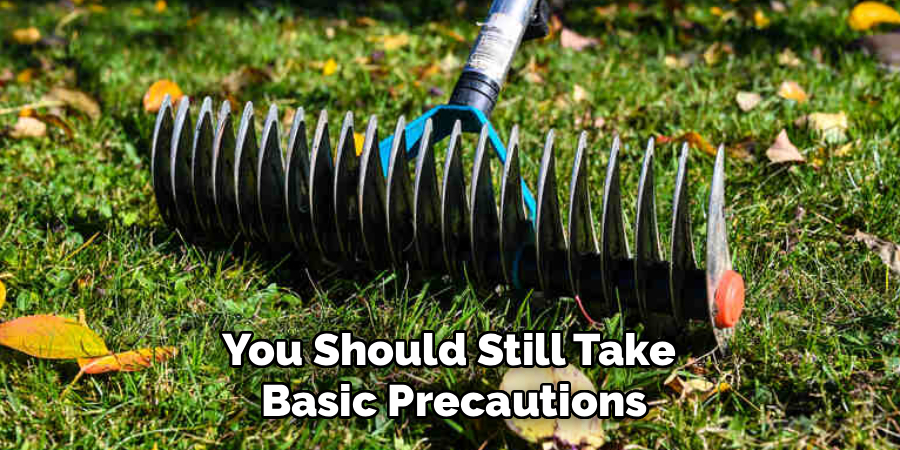
Lawn care is generally very safe. However, you should still take basic precautions.
Always wear sturdy work gloves. Raking hard soil can cause painful blisters in a matter of minutes.
Be careful when handling fertilizers and soil amendments. Wash your hands thoroughly after applying these chemicals.
Keep pets and young children away from the repaired area. They can easily trample the seeds or accidentally ingest fertilizer.
If you are using chemical weed killers nearby, read the label. Some herbicides will prevent new grass seeds from germinating for months.
When to Call a Professional
DIY lawn repair is highly rewarding. But some yard problems require a professional touch.
If more than half of your lawn is dead, patching will not work. You likely need a complete lawn renovation.
Severe grub infestations often require commercial-grade treatments. A pest control expert can safely eliminate these bugs.
If you have a complex underground irrigation system, be careful. Digging too deep can break water lines and cause flooding.
Call a pro if you suspect a widespread fungal disease. Landscapers have specialized fungicides that work faster than store-bought brands.
Cost Estimate: DIY vs. Pro
One of the best reasons to do this yourself is the cost. The savings are massive.
A DIY brown patch repair will cost you between $20 and $50. This covers a bag of seed, some soil, and fertilizer.
If you hire a professional landscaping company, expect to pay a premium. They typically charge between $150 and $300 for minor repairs.
Professionals charge for travel time, labor, and markup on materials. Doing the work yourself keeps that money in your bank account.
The tools you buy for this project will last for years. Your long-term savings will only continue to grow.
Frequently Asked Questions
How long does it take for new grass to grow?
Most grass seeds germinate in 7 to 21 days. It depends on the grass type, soil temperature, and how often you water.
Can I just throw grass seed over dead grass?
No, you should never do this. The seeds need direct contact with the soil to take root and grow properly.
When is the best time to repair dead grass patches?
Early fall or spring is the best time. The cooler temperatures and frequent rain help new seeds establish quickly.
Should I put straw over new grass seed?
A light layer of straw can help retain moisture. It also protects your fresh seeds from hungry birds.
Why is my grass turning brown despite watering?
You might have a fungal disease or a pest problem like grubs. Overwatering can also cause root rot, which turns grass brown.
Conclusion
Bringing a dead lawn back to life does not have to be stressful. Knowing how to repair brown grass patches gives you total control over your yard.
By following these simple steps, you can save money and achieve professional results. Remember to prep the soil well and keep the new seeds moist.
Your lawn will be lush, green, and beautiful again in no time. Grab your rake this weekend and reclaim your perfect yard!
Want more easy home maintenance tips? Check out our other DIY repair guides to keep your property looking its absolute best.