

Do you have a broken vintage timepiece sitting in a drawer gathering dust? You might be wondering how to repair a pocket watch without spending a small fortune.
Many DIY enthusiasts and homeowners assume watchmaking is an impossible task. It certainly requires patience. However, learning the basics of mechanical repair is highly rewarding.
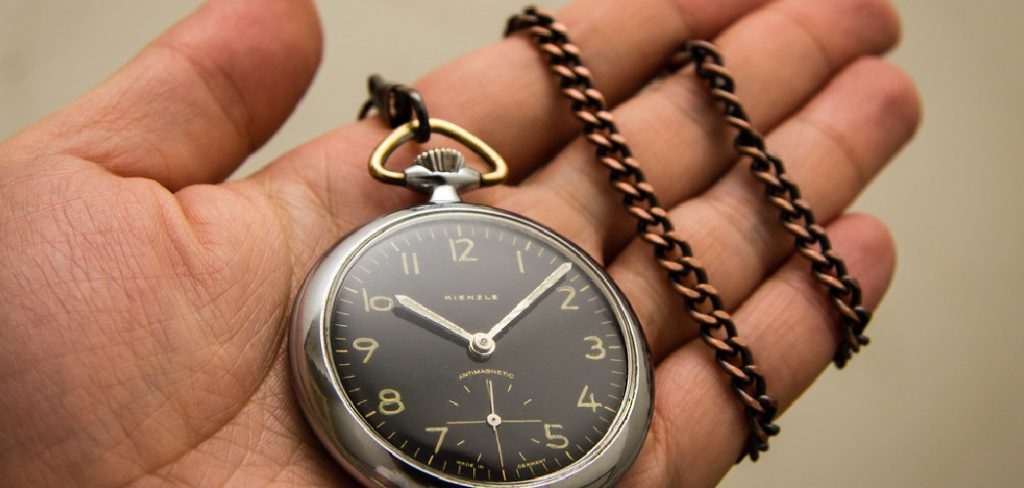
Fixing it yourself can save you hundreds of dollars in professional service fees. You also gain a fantastic new skill.
We will walk you through the entire process. You will learn everything from setting up your bench to cleaning tiny gears. Grab your tools, clear a workspace, and let us get that old watch ticking again.
What Causes a Pocket Watch to Stop Working?
Before you open the case, you need to understand the root of the problem. Mechanical timepieces are sensitive devices.
Several common issues can cause a vintage or modern pocket watch to freeze up completely.
Here are the most frequent culprits behind a broken watch:
- Dried out oils: Lubricants inside the movement degrade over time, turning into a sticky paste that stops the gears.
- Dirt and dust buildup: Even tiny dust particles can jam the delicate pivot points inside the gear train.
- A broken mainspring: The mainspring powers the watch. If you overwind it, the metal band can snap.
- Damaged balance staff: Dropping the watch often breaks the delicate pivots on the balance wheel.
- Magnetized components: Exposure to electronics can magnetize the metal parts, causing them to stick together.
- Rust and moisture damage: Humidity can sneak inside the case and corrode the steel components.
Tools and Materials Needed for the Fix
You cannot fix a delicate mechanism with standard garage tools. You need precision instruments.
Investing in a good beginner watch repair kit is highly recommended. These tools will last you a lifetime of DIY repairs.
Gather the following items before you begin your repair project:
- Jeweler’s screwdrivers: You need a set of ultra-fine flathead screwdrivers.
- Watchmaker’s tweezers: Get anti-magnetic tweezers (sizes #2 or #3 are perfect).
- Case opener tool: A case knife or a friction ball, depending on your watch back.
- Movement holder: This keeps the internal mechanism secure while you work.
- Hand levers: Specialized tools to safely remove the delicate watch hands.
- Parts tray with a dust cover: You need this to organize screws and prevent them from getting lost.
- Rodico cleaning putty: A special putty used to remove fingerprints and oils.
- Watch oil and oilers: Moebius synthetic oils are the industry standard.
- Isopropyl alcohol or lighter fluid: For soaking and cleaning the metal gears.
- A magnifying loupe: A 4x or 5x eye loupe helps you see the tiny details.
Step-by-Step Guide: How to Repair a Pocket Watch
Learning how to repair a pocket watch takes careful organization. Never rush the process.
Take photos with your phone at every single step. These pictures will be your roadmap when it is time to put everything back together.
Step 1: Prepare Your Workspace
Find a clean, well-lit table. Watchmakers prefer working on a green cutting mat.
The mat stops tiny screws from bouncing if you drop them. Make sure the room has plenty of bright, natural light.
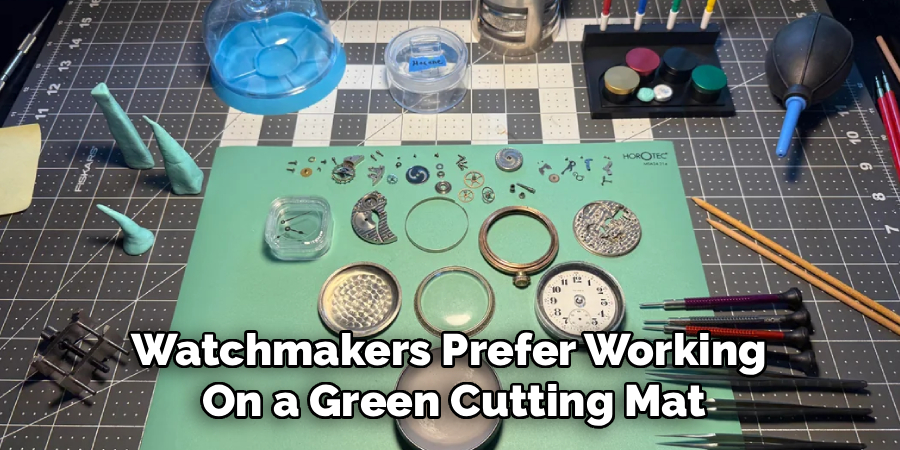
Keep your workspace free of clutter. You want a clear area so you can easily spot any stray parts.
Step 2: Open the Watch Case
Examine the back of your watch. Some backs screw off, while others pop off.
If it is a screw-back, place your palm flat against it and twist counter-clockwise. You can also use a friction ball.
If it is a snap-back, locate the small lip on the edge. Carefully wedge your case knife in the gap and twist gently to pop it open.
Read More: How to Use Thread Repair Kit.
Step 3: Remove the Movement from the Case
Locate the small screws holding the movement inside the case. These are called case screws.
Carefully unscrew them using your finest screwdriver. Place them directly into your parts tray.
Gently lift the movement out of the metal casing. Place the movement securely into your movement holder.
Step 4: Release the Mainspring Tension
You must remove the stored energy from the watch before taking it apart. This is crucial.
Hold the winding crown tightly with your fingers. Use a small tool to push the click spring away from the ratchet wheel.
Slowly let the crown slip through your fingers until all the tension is gone. The watch is now safe to disassemble.
Step 5: Take Off the Hands and Dial
Turn the movement over so the face points upward. Place a piece of plastic film over the dial to protect it.
Slide your hand levers under the hour and minute hands. Push down gently to pry them off the center pin.
Next, loosen the small dial screws on the side of the movement. Lift the delicate enamel dial straight up and store it safely.
Read More: How To Repair Clock Mechanism.
Step 6: Remove the Balance Wheel
The balance wheel is the heartbeat of the watch. It is extremely fragile.
Unscrew the bridge holding the balance wheel in place. Carefully lift the bridge straight up using your tweezers.
The balance wheel and hairspring will come up with it. Place this entire assembly upside down in your parts tray.
Step 7: Disassemble the Gear Train
Now you can see the main gears. Start by removing the large winding wheels at the top.
Next, unscrew the barrel bridge to reveal the mainspring barrel. Remove the mainspring barrel and set it aside.
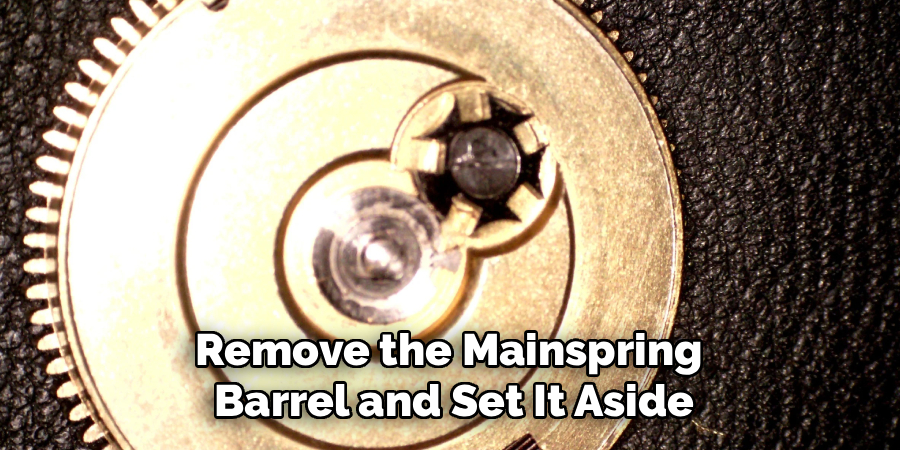
Unscrew the train wheel bridge. You can now carefully lift out the center wheel, third wheel, fourth wheel, and escape wheel.
Step 8: Clean Every Component
Fill a small glass jar with your cleaning solution. Isopropyl alcohol works well for beginners.
Place all the gears, bridges, and the main plate into the solution. Let them soak for a few minutes.
Use a soft brush to gently scrub away the old, hardened oil. Do not soak the dial or the balance wheel in this solution.
Read More: How to Repair Silk.
Step 9: Inspect Parts for Damage
Once the parts are dry, examine them closely with your loupe. Look at the tiny metal pins (pivots) on the end of each gear.
They should be perfectly straight and highly polished. If any pivots are bent or broken, you will need to buy replacement parts.
Check the gear teeth for wear. Make sure the mainspring inside the barrel is intact.
Step 10: Reassemble the Watch Movement
Reverse the order of your disassembly. Start by placing the gears back into their specific holes on the main plate.
Carefully place the train bridge over the gears. Do not force the bridge down.
Gently guide each gear pivot into its respective jewel hole using your tweezers. Once they line up, tighten the bridge screws.
Step 11: Apply Fresh Oil
You must lubricate the moving parts to prevent friction. Use your oiler tool.
Pick up a microscopic drop of watch oil. Touch the oiler to the small red jewels where the gear pivots rest.
Do not over-oil the parts. Too much oil will spread and attract dust, causing the watch to stop again.
Step 12: Reinstall the Balance Wheel
This is the most satisfying step. Carefully pick up the balance wheel assembly.
Lower it back into its correct position on the main plate. Secure the bridge screw.
If you assembled the gears properly, giving the mainspring a slight wind should cause the balance wheel to spring to life.
Step 13: Case the Movement
Place the clean dial back onto the movement and tighten the side screws. Press the hands back onto the center pin.
Carefully lift the movement and slide it back into the metal watch case. Secure it with the casing screws.
Snap or screw the case back onto the watch. Your repair is complete!
Important Safety Warnings
Working on mechanical devices carries some risks. You must protect your eyes and your lungs.
Always wear safety glasses when handling mainsprings. A broken mainspring can snap out of its barrel with intense force.
Use cleaning solvents in a well-ventilated area. Inhaling lighter fluid or chemical fumes can cause dizziness and health issues.
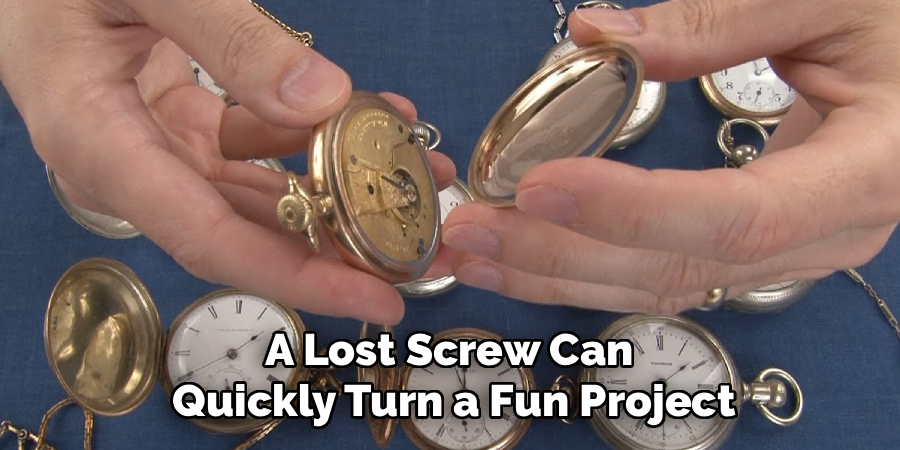
Keep your parts tray covered. A lost screw can quickly turn a fun project into a frustrating nightmare.
When to Call a Professional Watchmaker
DIY repair is deeply rewarding, but it has limits. Some issues require specialized machinery.
If you discover a broken balance staff, you should call a professional. Replacing this part requires a specialized watchmaker’s lathe.
You should also seek help if your watch is a highly valuable family heirloom. You do not want to risk damaging a priceless antique.
If you feel completely overwhelmed after opening the case, stop immediately. A local horologist can easily take over the job.
Cost Estimate: DIY vs. Professional Repair
Fixing a watch yourself can save you a significant amount of money. The savings compound over time.
Buying a basic starter kit of tools costs between $50 and $100. Oils and cleaning solutions will cost another $30.
Total DIY start-up costs sit around $80 to $130. After that, repairing subsequent watches only costs the price of replacement parts.
A professional watchmaker typically charges between $150 and $400 for a basic service and overhaul. Complex repairs on vintage models can easily exceed $600.
Frequently Asked Questions
Can I use WD-40 to fix my pocket watch?
Absolutely not. WD-40 is far too thick and will destroy the delicate mechanics. You must use specialized synthetic watch oils.
How often should a pocket watch be serviced?
A mechanical timepiece should be serviced every three to five years. This prevents the oils from drying out and wearing down the gears.
Why is my pocket watch running too fast?
This usually means the hairspring is magnetized or tangled. A simple demagnetizer tool can often fix this issue in seconds.
Is it hard to find replacement parts for vintage watches?
It depends on the brand. Elgin and Waltham parts are widely available online. Obscure Swiss brands may require custom fabrication.
Final Thoughts on How to Repair a Pocket Watch
Fixing a mechanical timepiece is a fascinating hobby. It teaches patience, focus, and precision.
You now understand the basics of how to repair a pocket watch from your very own workbench. It is entirely possible to restore these beautiful machines with the right tools.
Take your time with every single screw. Document your progress with photos so you never get lost during reassembly.
Ready to start your first horology project? Grab a beginner tool kit today and breathe new life into an old, forgotten timepiece!