

You walk outside to enjoy your yard, and you spot it. A crack, a chip, or a small hole in your beautiful fiber cement siding.
Finding exterior damage can make your stomach drop. You might instantly worry about water damage, bugs, or massive contractor bills.
Take a deep breath. Learning how to repair Hardie siding is much easier than you might think.
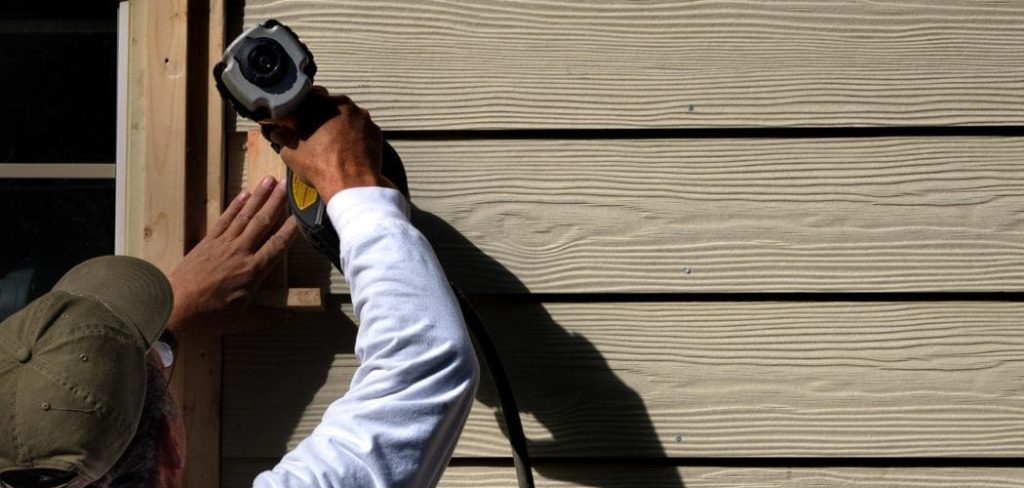
You do not need to be a master carpenter to fix small cracks or holes. With a few simple tools, you can handle this weekend project yourself.
Fixing it yourself keeps cash in your pocket. It also protects your home from the elements right away.
Let’s walk through this process together. We will get your home’s exterior looking brand new again.
What Causes Damage to Fiber Cement Siding?
Hardie board is tough, but it is not completely invincible. Even the strongest materials face daily wear and tear.
Knowing what caused the damage helps you prevent it from happening again. Here are the most common culprits.
- Impact from lawn equipment: Weed whackers, flying rocks from lawnmowers, and heavy garden tools easily chip the bottom planks.
- Improper installation: If nails were driven too deep or spaced poorly, the boards will crack over time.
- House settling: As your home shifts naturally, the rigid fiber cement can snap under the pressure.
- Severe weather: Hailstones, heavy wind debris, and freeze-thaw cycles can slowly degrade the material.
- Moisture absorption: If the paint chips and water sits on an unsealed edge, the board may swell and crumble.
- Pest activity: While insects cannot eat fiber cement, rodents sometimes gnaw at the edges trying to get inside.
Tools and Materials Needed for the Job
Before we dive into how to repair Hardie siding, you need the right gear. A quick trip to the hardware store will set you up.
Having everything within arm’s reach makes the job completely stress-free.
Essential Patching Materials
You will need a high-quality acrylic latex caulk or cement patching compound. Look for products specifically meant for fiber cement.
Make sure the patch material is paintable. You will want it to blend in perfectly later.
Cleaning and Prep Supplies
Grab a stiff-bristled nylon brush and some mild dish soap. Do not use a wire brush, as it will scratch the good siding.
You also need clean rags and a bucket of warm water to wash the area.
Basic Hand Tools
A putty knife is your best friend for this project. Get a small metal or plastic one for smoothing the caulk.
Keep a utility knife handy to scrape away any loose debris.
Paint and Finish Items
Find the leftover exterior paint that matches your house perfectly. If you do not have any, take a chipped piece to the store for a color match.
You will also need a small paintbrush or sponge to dab the paint on the repaired spot.
Step-by-Step Fix Guide: How to Repair Hardie Siding
Are you ready to fix that damaged board? We will take this one simple step at a time.
Do not rush the process. Take your time, and the results will look professional.
Step 1: Clean the Damaged Area
First, inspect the cracked or chipped spot carefully. You need a clean surface so the patch sticks well.
Take your stiff nylon brush and scrub away any loose dirt. Remove all spider webs, dust, and loose paint flakes.
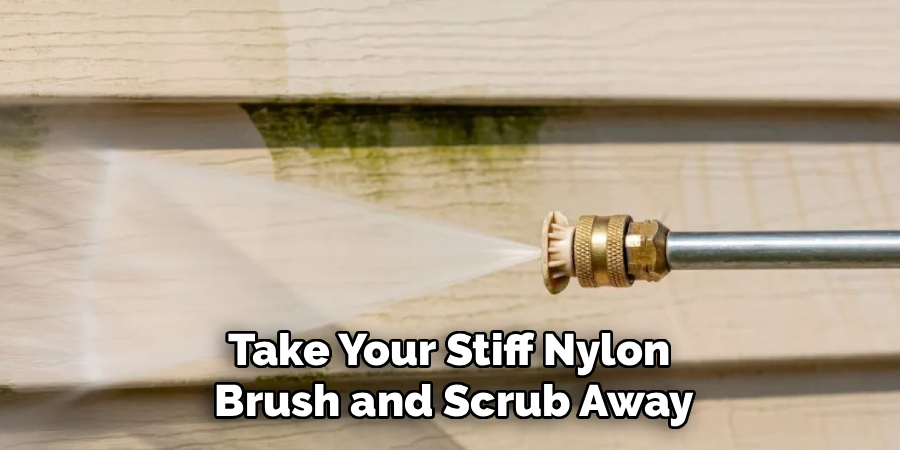
Mix a few drops of mild soap into a bucket of water. Wash the area gently with a rag.
Let the board dry completely before moving to the next step. Moisture trapped inside the patch will cause it to fail later.
Step 2: Remove Loose Fiber Cement
Sometimes, the edges around a hole or crack get crumbly. You need a solid edge for the patch to grab onto.
Take your utility knife and gently scrape the edges of the damage. Pick away any loose bits of fiber cement.
If you see a crack, lightly run the knife through it to clear out debris. Be gentle so you do not make the hole bigger.
Wipe the area down one more time with a dry cloth.
Read More: How to Repair Water Damaged Drywall.
Step 3: Apply the Patching Compound
Now comes the fun part. Grab your acrylic latex caulk or cement patch.
Squeeze a small amount of the filler directly into the crack or hole. Overfill the spot just a tiny bit.
If you are fixing a deep hole, apply the patch in layers. Let the first layer dry for an hour before adding more.
This prevents the patch from shrinking and falling out.
Step 4: Smooth the Surface
You want the repair to be completely invisible. A smooth surface is the key to a great finish.
Take your putty knife and press it flat against the siding. Drag it gently over the wet patch.
Scrape away the excess caulk so it sits flush with the board.
If your Hardie siding has a wood-grain texture, use the edge of the putty knife to draw small lines into the wet patch. This mimics the wood grain perfectly.
Read More: How to Repair Small Holes in Plaster Walls.
Step 5: Let the Patch Cure
Patience is incredibly important right now. You must let the patch dry entirely.
Check the instructions on your specific patching compound. Most require at least 24 hours to cure properly.
Do not try to paint it while it is soft. The paint will peel right off.
Keep an eye on the weather forecast. Try to do this project when rain is not expected for a couple of days.

Step 6: Paint Over the Repair
Once the patch is rock solid, it is time to blend it in. Grab your matching exterior paint.
Dip a small brush into the paint and dab it gently over the white patch. Avoid using thick brush strokes.
Dabbing helps the paint settle into the textured grain. It makes the repair blend flawlessly with the surrounding area.
You might need two coats for perfect coverage. Let the first coat dry completely before applying the second.
Safety Warnings You Must Know
Fiber cement is a unique material. Working with it requires a few safety precautions to keep you healthy.
Always wear safety goggles. Dust and dry patching compound can easily blow into your eyes on a windy day.
If you have to cut or sand a piece of Hardie board, wear an N95 dust mask. Fiber cement contains silica sand.
Breathing in silica dust is dangerous for your lungs.
Keep your ladder on flat, stable ground. Never overreach while patching a spot high up on the wall.
If a spot is too high to reach safely, reconsider doing it yourself.
When to Call a Professional
DIY repairs are incredibly satisfying. However, some jobs are just too big for a weekend warrior.
You should call a siding contractor if a board is completely shattered. Replacing an entire plank requires specific tools and nailing techniques.
If you notice soft, rotting wood beneath the broken siding, stop immediately. You likely have hidden water damage.
Water damage requires structural repairs before new siding can go up.
Call a pro if the damage spans across an entire side of your house. Massive repairs take days and are better handled by an experienced crew.
Knowing your limits is a sign of a smart homeowner.
Cost Estimate: DIY vs. Professional Repair
One of the best reasons to learn how to repair Hardie siding is the money you save.
Let’s break down the typical costs.
If you fix a small crack or hole yourself, expect to spend very little. A tube of caulk, a putty knife, and a brush usually cost around $20 to $30.
If you already own basic tools and touch-up paint, your cost is basically zero.
Calling a professional tells a different story. Contractors usually charge a minimum call-out fee.
For a minor siding patch or a single board replacement, professionals charge between $150 and $400.
If multiple boards need replacing, that bill can quickly jump to $1,000 or more.
Tackling small fixes yourself makes great financial sense.
Frequently Asked Questions
You probably still have a few questions rolling around in your head. Let’s cover some common concerns.
Can you patch a hole in Hardie board?
Yes, you absolutely can patch small holes. Using a high-quality acrylic latex exterior caulk or cement patch works perfectly for holes smaller than a golf ball.
Do I need special paint for fiber cement siding?
You should use a high-quality, 100% acrylic exterior paint. This type of paint expands and contracts perfectly with the fiber cement without peeling.
Will patching caulk last a long time?
If you prep the area correctly and use the right materials, the patch will last for years. Keeping it painted protects it from weather damage.
Can I use wood filler on fiber cement siding?
No, do not use traditional wood filler. Wood filler absorbs moisture and will eventually crack and fall out of the fiber cement board.
How do you fix a completely broken Hardie plank?
A fully broken plank must be carefully pried off and replaced with a new board. This involves pulling hidden nails and carefully sliding a new piece under the overlapping row.
Conclusion
Taking care of your home exterior does not have to be intimidating. You now know exactly how to repair Hardie siding like a pro.
By catching small cracks and holes early, you prevent massive headaches down the road. You also keep your home looking sharp and well-maintained.
Gather your tools this weekend and tackle that pesky crack. You will be amazed at what you can accomplish with a little patience and a putty knife.
Have you tried patching your siding before? Grab your supplies today and give your house the quick touch-up it deserves!