

You pull your favorite novel off the shelf, and you hear a dreaded cracking sound. The pages feel loose, and the cover pulls away from the binding. Finding out how to repair spine of book damage is a skill every reader should learn.
Book damage happens to almost everyone who loves to read or collect vintage editions. Homeowners and renters often find their beloved cookbooks or family albums falling apart from heavy use.
You do not need to throw these cherished items away. You also do not need to pay expensive rebinding fees for everyday reading copies.
Fixing it yourself saves a significant amount of money. You can restore your library using simple, budget-friendly materials. Let us dive into the best way to bring your broken books back to life.
Why Do Book Spines Break?
Understanding what causes a book to fall apart helps you prevent future damage. Most binding failures happen for a few simple reasons.
Here are the most common causes of spine damage:
- Improper removal from shelves: Pulling a book by the top edge of the spine tears the fragile material over time.
- Extreme temperature changes: Storing books in hot attics or cold basements causes the original glue to dry out and crack.
- Excessive flattening: Forcing a book to lay perfectly flat stresses the hinges and breaks the adhesive seal.
- Heavy usage: Cookbooks, dictionaries, and textbooks naturally wear down from constant opening and closing.
- Age and material degradation: Acidic paper and cheap vintage adhesives simply break down as decades pass.
- High humidity: Moisture in the air softens the binding glue and warps the cardboard covers.
Tools and Materials Needed
You cannot fix a binding with regular household tape or school glue. Using the right materials ensures a strong, permanent hold.
Gather these specific items before you begin your project.
Acid-Free PVA Glue
Polyvinyl acetate (PVA) glue is the gold standard for bookbinding. It dries clear, remains flexible, and will not yellow over time. Do not substitute this with standard wood glue.
A Bone Folder
This is a smooth, flat tool used by crafters to press creases and smooth out air bubbles. You can use a wooden craft stick if you do not have a bone folder.
Knitting Needle or Tall Skewer
You need a long, thin object to push glue deep into the hollow gap between the text block and the cover. A metal knitting needle works perfectly for this task.
Heavy Wax Paper
Wax paper protects the internal pages from stray glue. You will slide sheets of it between the cover and the text block during the drying process.
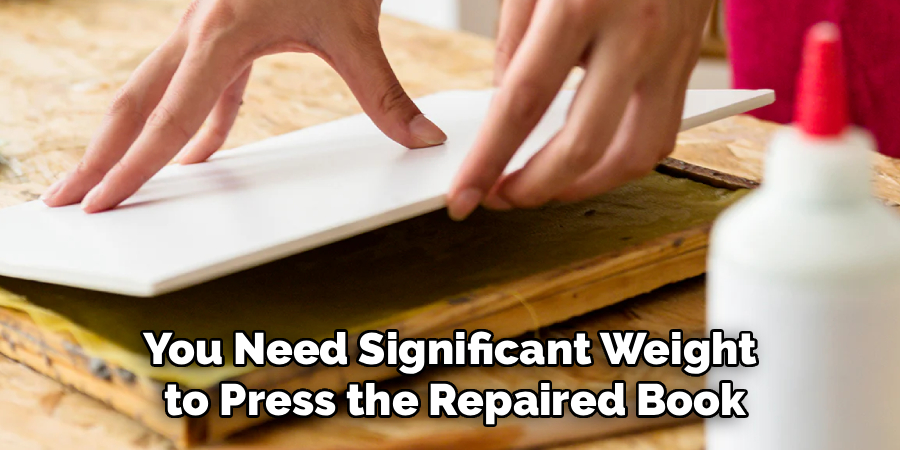
Heavy Books or a Brick
You need significant weight to press the repaired book flat while the glue cures. A stack of large encyclopedias or a clean brick wrapped in a towel works well.
Artist Brush
A cheap, flat-bristled artist brush helps you spread the PVA glue evenly. Choose a brush with stiff bristles to push the adhesive into tight corners.
Understanding How to Repair Spine of Book Damage
Before we apply any glue, we need to understand the basic anatomy of your book. Books consist of a text block, which is the stack of actual pages.
The text block attaches to the outer cover via a hinge and endpapers. The gap between the outer cover and the paper spine is called the hollow.
Knowing these terms helps you follow the repair steps without getting confused. We will be working primarily inside that hollow space.
Step-by-Step Fix Guide
This guide walks you through the entire process from start to finish. Work slowly and follow each step in order for the best results.
Step 1: Assess the Damage
Open your book carefully and inspect the loose areas. Check if the pages are falling out completely or just pulling away from the cover.
If the entire text block is detached, you will need a more complex rebinding process. If the text block is intact but separated from the spine, you are ready for this easy fix.
Read More: How to Repair Torn Pages in a Book.
Step 2: Clean the Hollow
Old, dried glue blocks new glue from sticking properly. Stand the book upright and look down into the gap between the cover and the pages.
Use your metal knitting needle or skewer to gently scrape away large chunks of dried adhesive. Shake the book gently over a trash can to remove the loose debris.
Step 3: Insert the Wax Paper
You must protect the inner pages from accidental glue spills. Cut two pieces of heavy wax paper slightly larger than the book.
Slide one piece of wax paper inside the front cover, right against the hinge. Slide the second piece inside the back cover.
Step 4: Apply the PVA Glue
Pour a small amount of acid-free PVA glue onto a scrap piece of cardboard. Dip your tall knitting needle or skewer into the glue.
Slide the glue-coated needle down into the hollow gap of the spine. Roll the needle around to transfer the glue onto the inside of the cover and the back of the text block.
Step 5: Spread the Adhesive
Use your flat artist brush to smooth out the glue you just inserted. Ensure both the fabric of the spine and the paper of the text block have a thin, even layer.
Avoid using too much glue. A massive puddle of adhesive will warp the paper and ruin the repair.
Read More: How to Repair Basement Wall Cracks.
Step 6: Set the Hinge
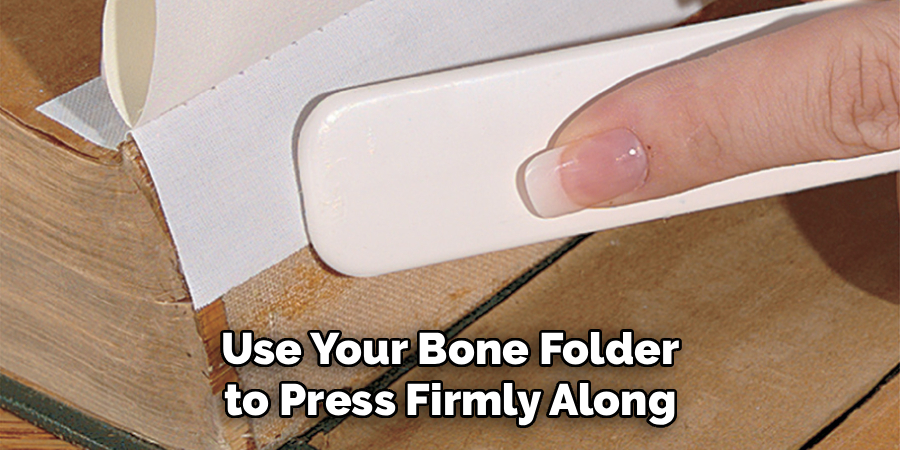
Lay the book flat on a clean table. Use your bone folder to press firmly along the outside edge of the spine.
Run the tool up and down the groove where the cover meets the spine. This action forces the new glue to bond tightly with the text block.
Step 7: Press and Cure
Place a flat wooden board over the repaired book. Stack several heavy books or a wrapped brick on top of the board.
Leave the book alone for at least 24 hours. The PVA glue needs this time to cure and form a flexible, permanent bond.
Safety Warnings for Book Repair
Book repair is generally a very safe DIY project. However, you should still keep a few basic precautions in mind.
Work in a well-ventilated area, even though PVA glue is non-toxic. Keep your workspace clean to avoid transferring dirt onto pristine book pages.
Never use superglue, rubber cement, or standard household sticky tape. These materials contain acids that will eat through the paper and permanently destroy your book.
Keep sharp skewers and knitting needles away from children and pets. Always store your tools safely when waiting for the adhesive to dry.
When to Call a Professional
Some books require the delicate touch of a professional bookbinder. Knowing the limits of your DIY skills prevents accidental destruction of valuable items.
Call an expert if the book is a rare antique or a signed first edition. DIY repairs can destroy the monetary value of collectible literature.
Seek professional help if the book suffers from severe mold, water damage, or dry rot. These issues require chemical treatments and specialized restoration techniques.
You should also hire a pro if the individual pages are completely loose and require complicated hand-sewing. The glue method only works when the text block remains mostly intact.
Cost Estimate: DIY vs. Professional Repair
Fixing a binding yourself is incredibly budget-friendly. A bottle of high-quality PVA glue costs around ten dollars.
A basic bone folder and some artist brushes will run you another ten dollars. This small twenty-dollar investment provides enough supplies to fix dozens of books.
Professional book restoration is a highly specialized craft. Sending a single book to a bindery typically starts at roughly seventy-five dollars.
For comprehensive rebinding and leather restoration, professionals often charge hundreds of dollars. For everyday reading material, the DIY route is the smart financial choice.
Frequently Asked Questions
Can I use regular white school glue for this repair?
No, you should never use standard school glue. It becomes brittle over time, turns yellow, and will eventually cause the spine to crack again.
How long does PVA bookbinding glue take to dry?
The glue sets in a few hours, but it needs a full 24 hours to cure completely. Do not open the book before the 24-hour mark, or you might break the new seal.
What is book repair tape used for?
Acid-free cloth tape is used to reattach detached covers or reinforce torn hinges. It is generally applied to the outside of the book for extra structural support.
Can I fix a paperback book using this same method?
Yes, you can use PVA glue to fix loose pages in a paperback. Simply brush the glue along the loose edge of the page and slide it deep into the paperback binding.
Bringing Your Library Back to Life
You now know how to repair spine of book damage using professional techniques at home. You can rescue your favorite novels and preserve your family cookbooks for years to come.
Tackling this project yourself saves money and gives you a great sense of accomplishment. Gather your supplies, clear off a workspace, and start fixing those broken bindings today.