

Do you have a door that refuses to close without a hard shove? You are not alone. Many homeowners deal with doors that scrape, squeak, and stick.
Learning how to repair a sticking door is a fantastic way to save money. You avoid expensive handyman fees and keep your home in great shape. You also gain the confidence to tackle more home repairs.
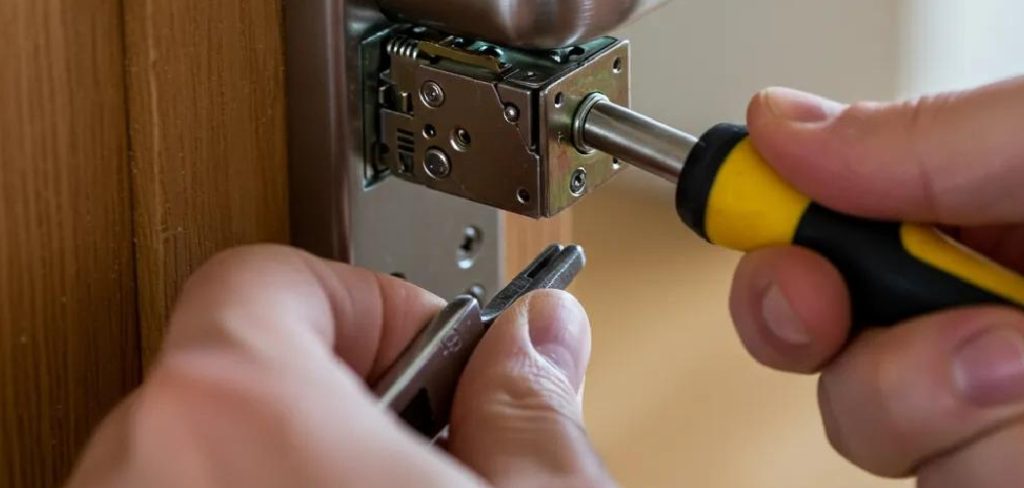
We will walk through the fix together, step by step. You do not need professional carpentry skills to get this right. Let us grab a few basic tools and get that door swinging freely again.
What Causes This Annoying Problem?
Before we fix the issue, we need to know why it happens. Doors stick for a few common reasons.
Here are five typical culprits behind a stubborn door:
- High humidity: Wood absorbs moisture from the air, causing the door to swell.
- Loose screws: Daily use slowly loosens the screws holding the hinges in place.
- Settling foundation: As your house settles over time, the door frame shifts out of square.
- Thick paint: Too many layers of paint on the door edges create friction against the jamb.
- Worn-out hinges: Old hinges bend and sag, pulling the door out of alignment.
Tools and Materials You Need to Start
You probably already own most of the items required for this project. Gather everything before you begin.
Here is your simple checklist:
- Screwdriver (Phillips and flathead)
- Longer wood screws (usually 3-inch screws work best)
- A piece of cardboard or heavy paper
- Sandpaper (medium and fine grit)
- A hand plane or electric plane
- Wood sealer or matching paint
- Safety glasses and a dust mask
Step-by-Step Guide: How to Repair a Sticking Door
Fixing a stubborn door is a logical process. We start with the easiest fixes first.
If a simple tweak does not work, we move on to the next step. Follow these numbered instructions carefully.
Step 1: Find Exactly Where the Door Sticks
You cannot fix the problem until you know where the rubbing happens. Open and close the door slowly.
Watch the edges closely to see where the door hits the frame. You might also see scuff marks or chipped paint.
Slide a piece of paper between the door and the frame while it is closed. The spot where the paper gets stuck is your problem area.
Step 2: Tighten the Hinge Screws
Loose hinges are the number one cause of sticking doors. Grab your screwdriver.
Open the door and inspect the top, middle, and bottom hinges. Tighten every single screw you see on the door and the jamb.
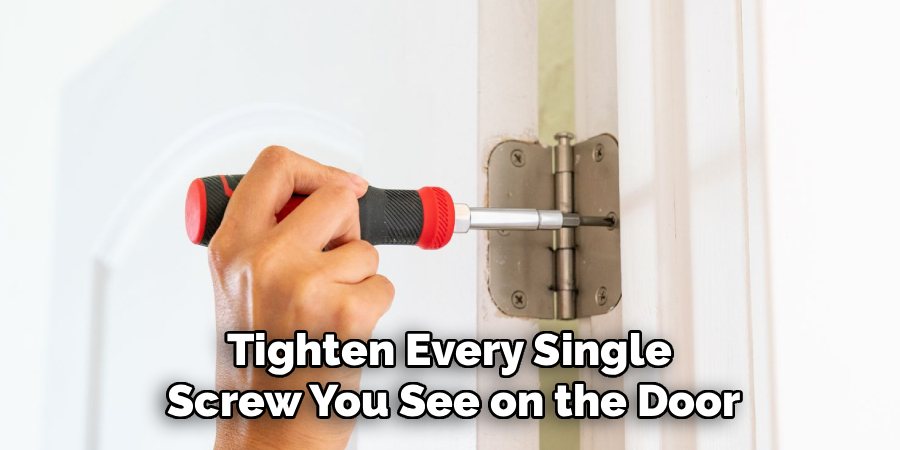
Do not use a power drill for this part. A drill can easily strip the wood, making the problem worse.
Step 3: Replace Short Screws with Longer Ones
Sometimes, tightening the screws is not enough. The screw holes in the wood frame might be stripped.
Remove one short screw from the jamb side of the top hinge. Replace it with a 3-inch wood screw.
This longer screw reaches past the door jamb and bites into the structural framing. It pulls the heavy door tight against the wall.
Step 4: Perform a Minor Hinge Adjustment
If the door still sticks at the top, you might need a simple hinge adjustment. You can shim the bottom hinge to tilt the door slightly.
Unscrew the bottom hinge from the door jamb. Place a small piece of thin cardboard behind the hinge plate.
Screw the hinge back into place. This tiny shim pushes the bottom of the door out, pulling the top away from the frame.
Step 5: Sand Down the Rubbing Edge
If adjusting the hinges fails, the door itself might be too big. High humidity often causes this swelling.
Take a sheet of medium-grit sandpaper. Rub it firmly over the exact spot where the door sticks.
Sand it down until the door closes without scraping. Finish the edge with fine-grit sandpaper to make it smooth.
Step 6: Use a Plane for Major Sticking
Sometimes sanding takes too much time and effort. If the door rubs heavily, you will need a wood plane.
Take the door off its hinges and lay it flat on a stable surface. Use a hand plane to shave off a thin layer of wood from the sticking edge.
Work slowly and check your progress frequently. You only want to remove just enough wood to let the door close.
Step 7: Seal the Wood Edges
Once the door fits perfectly, you must protect the exposed wood. Raw wood absorbs moisture quickly.
Apply a coat of paint, stain, or wood sealer to the sanded or planed edges. Let it dry completely.
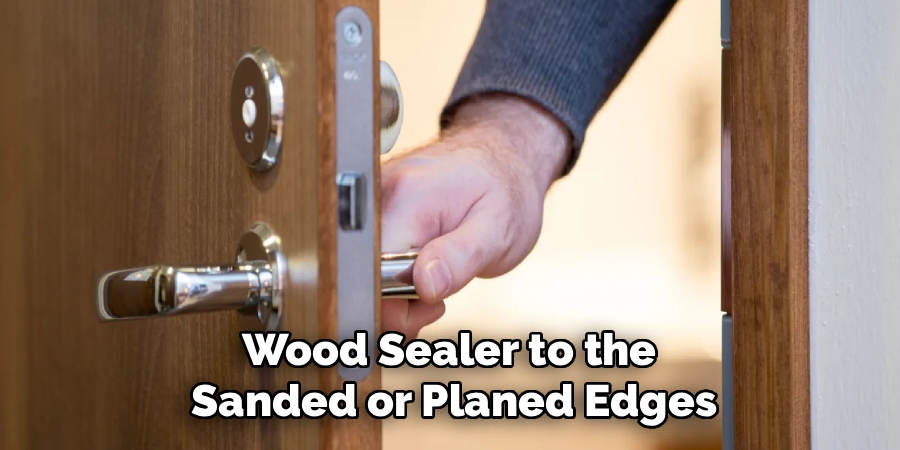
This simple step prevents future swelling. Rehang your door and enjoy the smooth operation.
Crucial Safety Warnings for Door Repairs
Safety should always come first when doing home repairs. Doors are surprisingly heavy and awkward to handle.
Always ask a friend to help you lift a solid wood door off its hinges. Dropping a door can cause serious foot injuries or damage your floors.
Wear safety glasses and a dust mask when sanding or using a plane. Breathing in fine wood dust or old paint particles is dangerous.
When to Call a Pro vs. Doing It Yourself
Most sticking doors are easy DIY fixes. However, some situations require professional help.
If your foundation is severely sinking, adjusting a door will not solve the real problem. You might notice large cracks in your drywall.
Call a professional carpenter or structural expert if the door frame is completely warped. Know your limits, and do not hesitate to ask for help if you feel overwhelmed.
Cost Estimate: DIY vs. Professional Door Repair
Fixing a door yourself keeps a lot of cash in your wallet. The DIY route is incredibly cheap.
If you already own a screwdriver and some sandpaper, your cost is almost zero. Buying a basic hand plane and longer screws might cost you around $25.
Hiring a professional handyman costs significantly more. Most pros charge between $75 and $150 per hour, bringing a simple repair bill to over $200.
FAQs About How to Repair a Sticking Door
Why does my door only stick in the summer?
Summer weather brings high humidity to many regions. The wood absorbs this moisture from the air and swells. Once winter arrives and the air dries out, the door usually shrinks back to normal.
Can I fix a sticking door without removing it?
Yes, you often can. Tightening the hinge screws or replacing them with longer ones fixes most issues. You can even do light sanding while the door is still on its hinges.
What is the best tool to shave down a door?
A hand plane is the best traditional tool for shaving wood off a door edge. If you have a lot of material to remove, an electric planer speeds up the job significantly.
Does rubbing soap on a sticking door work?
Rubbing bar soap or candle wax on the edges provides a temporary fix. It lubricates the friction point so the door closes easier. However, it does not solve the underlying structural issue.
How do I know if I need a hinge adjustment?
If the door has an uneven gap at the top or bottom, the hinges are likely out of alignment. A quick hinge adjustment, like tightening screws or adding a cardboard shim, will usually straighten it out.
Conclusion: Let’s Fix That Door Today
You now know exactly how to repair a sticking door using simple tools. We covered everything from tightening basic screws to using a hand plane.
You do not have to live with a door that frustrates you every single day. Take an hour this weekend to diagnose the problem and fix it for good.
Grab your screwdriver and give it a try right now! Check out our other DIY home repair guides to keep your entire house running smoothly.