

Waking up to a freezing house because your heating system quit working is never a fun experience. Many homeowners panic when the heat drops. They immediately assume they need an expensive technician.
But what if you could fix the issue yourself? Learning how to repair a boiler can save you hundreds of dollars in service call fees. Plus, it gives you peace of mind during the cold winter months.
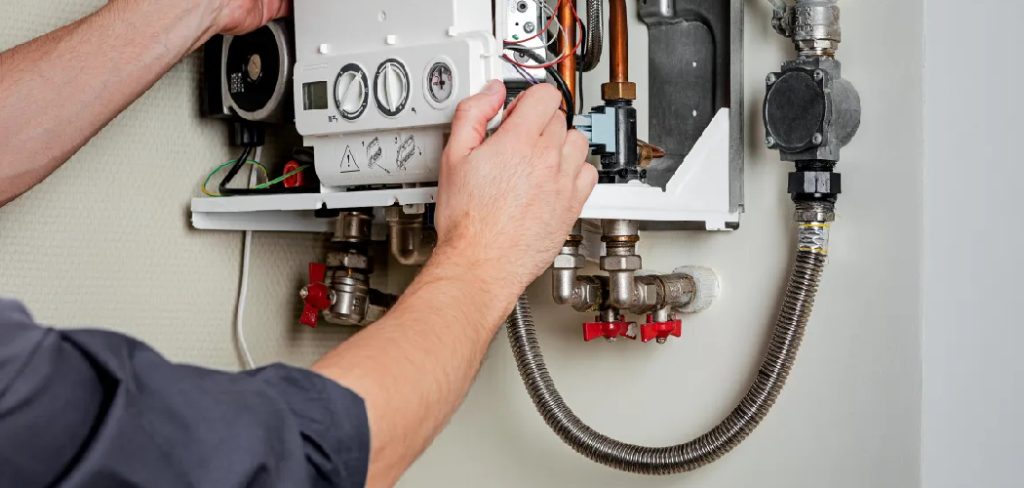
Most boiler issues are surprisingly simple to resolve. You often do not need advanced plumbing skills or expensive replacement parts. A few basic tools and a little patience will usually get your home warm again.
In this guide, we will walk through common boiler troubles. We will show you exactly what to check first. You will be fixing things like a pro in no time.
What Causes Boiler Problems?
Before you grab your toolbox, you need to know what you are dealing with. A heating system can fail for a few different reasons. Pinpointing the cause is half the battle.
Here are five common culprits behind a broken boiler:
- Low Water Pressure: The system loses water over time, causing the pressure to drop below the required level.
- Thermostat Issues: A disconnected or faulty thermostat stops telling the boiler when to turn on.
- Frozen Condensate Pipe: In freezing weather, the waste pipe outside can ice over, triggering a system shutdown.
- Trapped Air in Radiators: Air bubbles prevent hot water from circulating, leaving radiators cold at the top.
- Pilot Light Failure: A draft or dirty sensor can blow out the flame that ignites the main burner.
Tools & Materials Needed for the Job
You do not need a fancy contractor van full of gear for basic boiler maintenance. Most of these items are likely sitting in your garage right now. Gather these supplies before you start working.
Here is your essential DIY toolkit:
- A standard radiator bleed key (or a small flathead screwdriver)
- A clean bucket or large plastic bowl
- Old towels or heavy rags to catch spills
- A flashlight or headlamp for dark utility rooms
- A warm water jug (for thawing pipes)
- Thick work gloves to protect your hands from hot pipes
Step-by-Step Guide on How to Repair a Boiler
Ready to get to work? Let’s tackle the most common fixes together. Follow these numbered steps carefully. You will find that fixing your heating system is easier than it looks.
Fix 1: Check and Adjust Your Thermostat
Sometimes the problem is not the boiler at all. It is the gadget on your wall controlling it. Always start your troubleshooting here.
- Check the display: Ensure your thermostat has power. Replace the batteries if the screen is blank.
- Turn up the heat: Set the temperature at least five degrees higher than the current room temperature.
- Listen for the click: You should hear a faint click from the thermostat. This means it is sending the signal to heat.
- Wait for the boiler: Go to your utility room and listen. The boiler should fire up within a minute.
Fix 2: Repressurize the Heating System
Low pressure is the number one reason boilers stop working. Your boiler needs a specific amount of water pressure to push heat through your home.
- Locate the pressure gauge: Look at the front of your boiler. You will see a dial with numbers, usually from zero to four.
- Read the dial: A healthy system sits between 1.0 and 1.5 bar. If the needle is below 1, your pressure is too low.
- Find the filling loop: Look underneath the boiler for two valves connected by a braided silver hose.
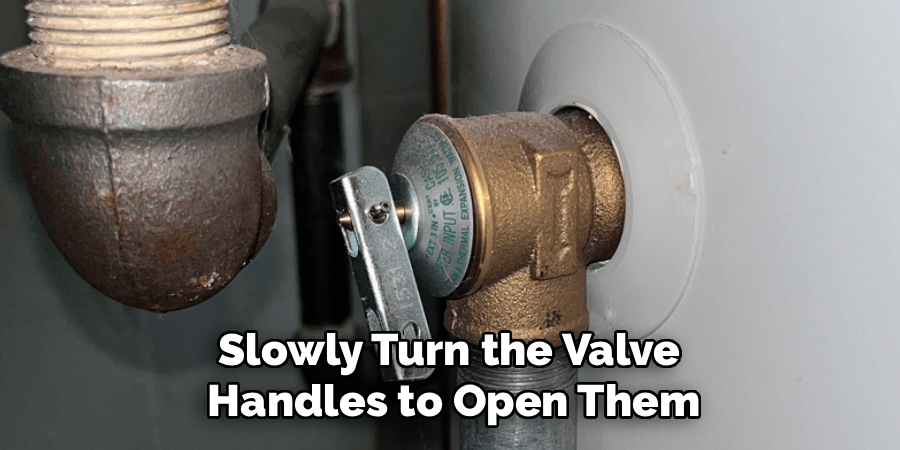
- Open the valves: Slowly turn the valve handles to open them. You will hear water rushing into the system.
- Watch the pressure gauge: Keep your eyes glued to the dial. Shut the valves tightly as soon as the needle reaches 1.5 bar.
Fix 3: Bleed Your Radiators
If your boiler runs but the house stays cold, trapped air is usually the culprit. Bleeding your radiators releases this air so hot water can flow freely.
- Turn off the heating system: Never bleed radiators with the boiler running. The pump could draw more air in.
- Find the cold spots: Feel your radiators. If they are cold at the top and warm at the bottom, they need bleeding.
- Insert the radiator key: Place the key into the square valve at the top corner of the radiator.
- Catch the drips: Hold your towel and bucket directly under the valve.
- Turn slowly: Twist the key counterclockwise. You will hear a hissing sound as air escapes.
- Close the valve: When water starts dripping out, the air is gone. Quickly tighten the valve back up.
Fix 4: Thaw a Frozen Condensate Pipe
Modern condensing boilers have a white plastic pipe that runs outside. This pipe drains waste water. In severe cold, this water can freeze and block the pipe.
- Locate the pipe: Find the white plastic pipe exiting your wall and running into an outside drain.
- Check for ice: Feel the pipe. If it feels freezing cold or rock solid, it is likely blocked with ice.
- Heat some water: Fill a jug with warm water. Never use boiling water, as it can crack the plastic pipe.
- Pour the water: Slowly pour the warm water over the frozen section of the pipe.
- Reset the boiler: Once the pipe is thawed, go inside and press the reset button on your boiler.
Read More: How to Repair Crumbling Concrete Statues and Save Money.
Fix 5: Relight the Pilot Light
Older boilers rely on a continuous pilot light. If a strong draft blows it out, the boiler will not ignite the main burners.
- Check the flame: Look through the small viewing window on the front of your boiler. You should see a crisp blue flame.
- Turn the knob: If there is no flame, turn the gas valve knob to the “Pilot” position.
- Press and hold: Push the knob down to release gas to the pilot.
- Ignite the flame: Press the spark ignition button while holding the knob down.
- Hold for a minute: Once lit, keep the knob pressed for about 60 seconds to warm the thermocouple. Release it slowly.
How to Repair a Boiler: Safety Warnings
Safety must always come first when dealing with home utilities. Boilers combine water, electricity, and combustible gas. This mix requires absolute respect.
Never remove the main metal casing of your boiler. The internal components are highly dangerous. Only registered professionals are legally allowed to work on the internal gas fittings.
Always turn off the electrical supply before wiping down the unit or checking wires. Unplug it or flip the breaker. Water and electricity are a deadly combination.
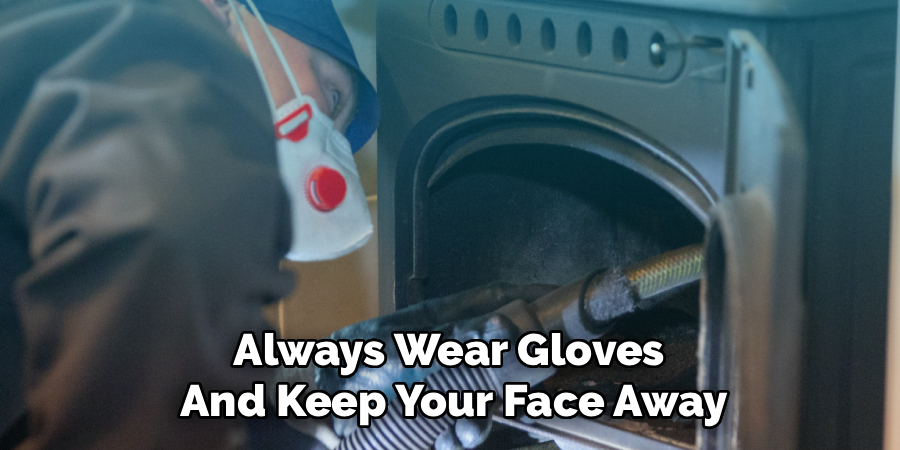
Be extremely careful with hot water. When bleeding radiators or checking pipes, the water inside can cause severe burns. Always wear gloves and keep your face away from valves.
If you ever smell gas, stop what you are doing immediately. Do not flip any light switches. Open your windows, leave the house, and call your local gas emergency hotline.
When to Call a Professional
DIY boiler maintenance is incredibly rewarding. However, a smart homeowner knows their limits. Some jobs are simply too dangerous or complex to tackle alone.
Call a professional technician if your boiler keeps losing pressure every single day. This indicates a hidden leak somewhere in your plumbing. Fixing a buried pipe is not a quick weekend project.
You must hire a pro if you hear loud banging or kettling noises from the unit. This usually means a pump is failing or the heat exchanger is severely scaled. These internal parts require expert replacement.
Any error codes on the digital display that do not clear after a reset require a technician. Modern boilers use complex motherboards. You cannot fix a faulty circuit board with a screwdriver.
Cost Estimate: DIY vs. Pro
One of the best reasons to learn these basic fixes is the money you will save. Professional HVAC technicians provide a great service, but their expertise does not come cheap.
A DIY fix is usually completely free. Repressurizing your system, bleeding radiators, and thawing pipes only cost a few minutes of your time. Even buying a new radiator key will only set you back five dollars.
On the other hand, calling a professional is expensive. A standard diagnostic visit usually costs between $100 and $150. That is just for them to walk through your front door.
If the technician performs a minor repair, expect to pay between $200 and $500 total. By handling the simple maintenance yourself, you keep that cash firmly in your wallet.
Read More: How to Repair a Chimney
Frequently Asked Questions
How often should I check my boiler pressure?
You should glance at your pressure gauge once a month. It is especially important to check it right before winter begins. Catching a drop early prevents sudden breakdowns.
Why is my boiler making a whistling noise?
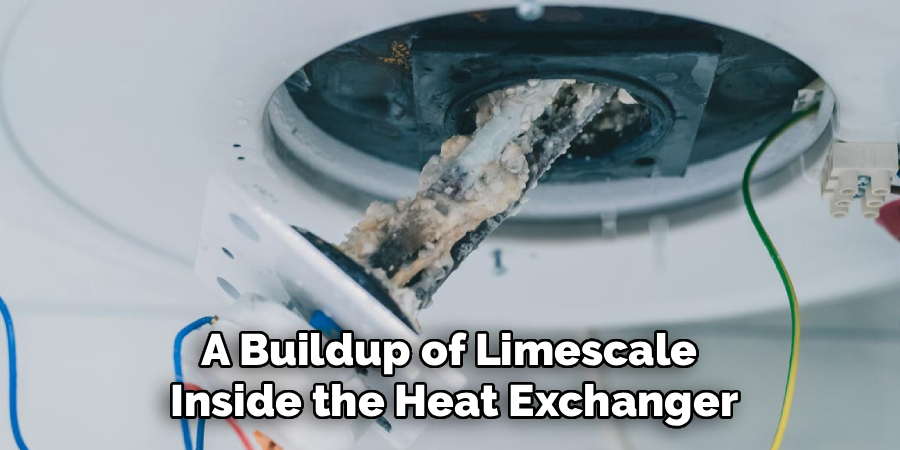
A whistling noise, often called kettling, usually means trapped air or a buildup of limescale inside the heat exchanger. Try bleeding your radiators first. If the noise persists, you may need a system flush.
Is it safe to reset my boiler multiple times?
You can safely reset your boiler once or twice if it locks out. However, if you have to reset it constantly, something is wrong. Continuous resetting can damage the electrical components.
How long does a typical residential boiler last?
A well-maintained heating system usually lasts between 10 and 15 years. Regular DIY upkeep and annual professional inspections will help push it toward the 15-year mark.
Do I need to bleed my radiators every year?
Yes, bleeding your radiators annually is a great habit. It ensures your system runs efficiently. Do it in the early fall before you need to rely on the heat daily.
Conclusion
Dealing with heating issues does not have to be intimidating. You now know the basics of how to repair a boiler safely and effectively. You are fully equipped to handle pressure drops, trapped air, and frozen pipes.
Taking charge of your home maintenance saves you money and builds incredible confidence. You do not need to wait in the cold for a repair van to arrive. You have the tools and the knowledge to get the job done right now.
Always remember to respect your safety limits. Handle the basic external fixes, and leave the gas lines to the pros. Stay warm and enjoy the satisfaction of a job well done!
Want to learn more about keeping your home in top shape? Check out our other DIY guides to master your plumbing and electrical systems today!