

Does your bedroom or front door refuse to click shut? You push, you pull, and it just pops right back open.
A stubborn door is frustrating. It robs you of your privacy and hurts your home security. We have all been there.
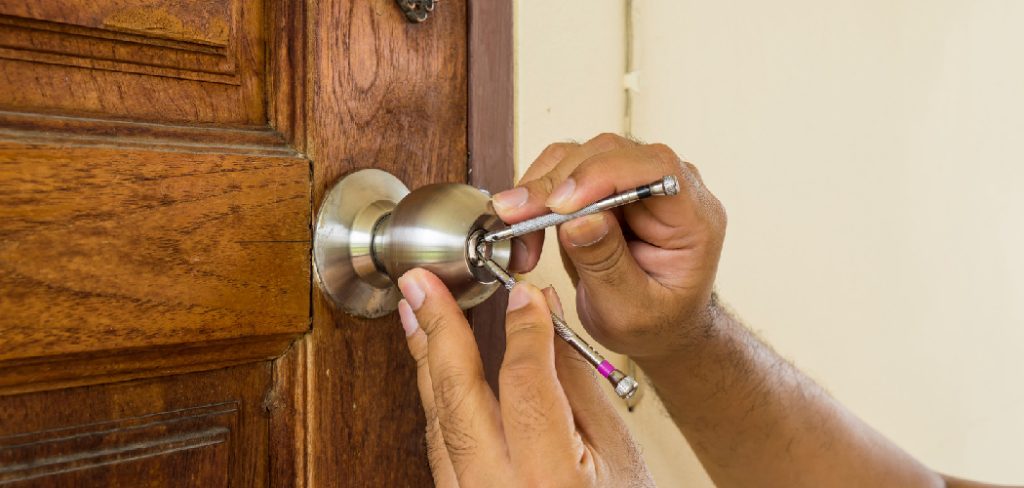
Thankfully, learning how to repair door latch problems is surprisingly simple. You do not need to be a master carpenter to get your door working again.
Fixing it yourself saves you time waiting for a handyman. It also saves you a nice chunk of cash.
Let me walk you through this easy DIY project step by step. You will have that door clicking shut in no time.
What Causes a Door Latch to Fail?
Before we fix the problem, we need to know why it happened. Doors go through a lot of daily wear and tear.
Here are the most common reasons your door will not stay shut:
- Loose door hinges: Over time, the screws holding your hinges sag. This causes the door to tilt.
- House settling: Foundations shift as houses age. This changes the alignment of your door frame.
- Sticky internal mechanisms: Dust and grime build up inside the doorknob. This prevents the spring from popping out.
- Misaligned strike plate: The metal plate on the door frame no longer lines up with the latch bolt.
- Humidity and weather: Wood doors expand in the summer and shrink in the winter. This throws off the alignment.
- Broken spring: The internal spring mechanism inside the lock has finally snapped from old age.
Tools and Materials You Need
You do not need a fancy workshop to fix this. You probably have most of these items in your junk drawer.
Gather these tools before we begin:
- A standard Phillips-head screwdriver
- A flathead screwdriver
- A metal file (or a rotary tool like a Dremel)
- Graphite powder or dry Teflon lubricant
- Toothpicks or wooden matchsticks
- Wood glue
- A clean rag or paper towels
- A flashlight
- Safety glasses
Got everything? Great. Let’s roll up our sleeves and get to work.
Step-by-Step Guide: How to Repair Door Latch
We will start with the easiest fixes first. Sometimes, the simplest solution is exactly what you need. Follow these beginner-friendly steps to track down the issue.
Step 1: Test the Doorknob Action
First, open the door and look at the latch bolt on the side. Turn the doorknob.
Does the bolt move in and out smoothly? If it feels stiff or gets stuck, your problem is inside the knob.
If it moves perfectly fine, your problem is alignment. Knowing this saves you time.
Step 2: Check and Tighten Your Hinges
This is the most common culprit for door problems. When hinges get loose, the door sags down.
Grab your Phillips-head screwdriver. Go to the hinges on the door frame.
Tighten every single screw on all the hinges. Do not use a power drill, because you might strip the wood.
Once they are tight, try closing the door. If it clicks, you just fixed it! If not, move to the next step.
Step 3: Fix Stripped Hinge Screws
Did one of the hinge screws just spin in place? That means the wood hole is stripped.
Remove the loose screw entirely. Dip a wooden toothpick or matchstick in some wood glue.
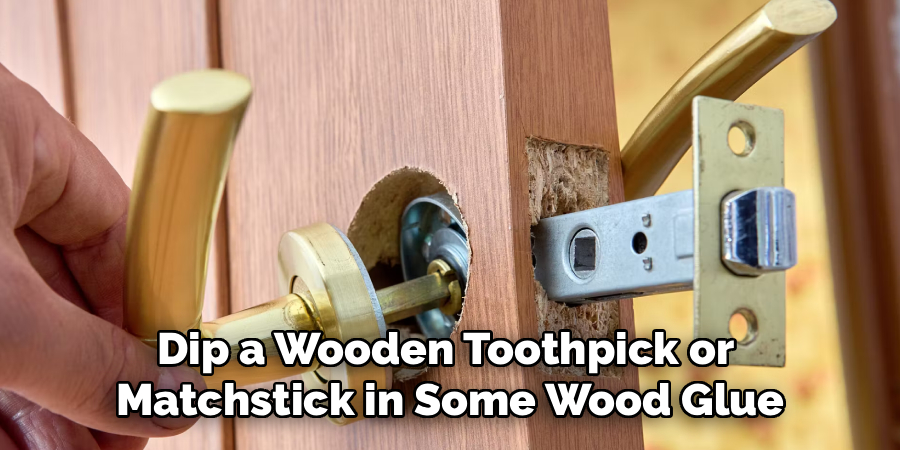
Shove the toothpick into the stripped hole and break it off flush. Let it dry for a few minutes.
Drive the screw back in. The wood gives the screw something tight to bite into. Your door should sit straight now.
Step 4: Clean and Lubricate the Mechanism
If the bolt was sticky in Step 1, we need to clean it. Dirt is the enemy of moving parts.
Take a damp rag and wipe down the metal latch bolt. Get rid of any visible gunk.
Next, spray dry Teflon lubricant or puff graphite powder right into the latch mechanism.
Turn the knob back and forth a dozen times. Work the lubricant deep into the springs.
Never use WD-40 or oil-based sprays. They attract dust and will make the latch stick worse later.
Step 5: Locate the Strike Plate Misalignment
If the hinges are tight and the bolt springs out, the strike plate is the issue. The strike plate is the metal bracket on the door frame.
Put a piece of masking tape over the strike plate hole. Rub some lipstick or wet paint on the tip of the latch bolt.
Close the door and let the bolt hit the tape. Open the door and look at the mark.
This shows you exactly where the bolt is hitting. Now you know if the plate needs to move up, down, left, or right.
Step 6: Adjust the Strike Plate
Sometimes, the strike plate just needs a tiny shift. Loosen the two screws holding it in place.
Shift the plate slightly in the direction you need. Tighten the screws back down.
Test the door again. If the shift was small enough, this quick adjustment is all you need.
Step 7: File Down the Strike Plate Hole
If the lipstick mark shows the bolt is only off by a fraction of an inch, grab your metal file.
Take off your strike plate. Clamp it down safely on a table.
File the inside edge of the hole where the bolt was hitting. Remove a millimeter or two of metal.
Screw the plate back onto the frame. This gives the bolt just enough clearance to catch.
Step 8: Move the Strike Plate Completely
If the door is severely misaligned, filing will not be enough. You need to move the whole plate.
Remove the strike plate entirely. Use a wood chisel to carve out the door frame slightly higher or lower.
Fill the old screw holes with glued toothpicks. Let them dry completely.
Hold the strike plate in its new position. Drill fresh pilot holes and drive the screws in tight.
Step 9: Reassemble and Test
Now that everything is aligned, give it a final test. Shut the door firmly.
Listen for that satisfying “click.” Give the door a light push to ensure it holds fast.
Wipe down the door frame to remove any leftover lipstick or pencil marks. You did it!
Important Safety Warnings for Door Repairs
Safety always comes first, even with simple DIY projects. Keep these quick tips in mind.
Always wear safety glasses when using a metal file or rotary tool. Metal shavings can easily fly into your eyes.
Keep your fingers away from the hinge side of the door. A sudden gust of wind can pinch you badly.
Use manual screwdrivers instead of power drills on antique doors. Old wood is brittle and cracks under high torque.
If you are working on an exterior door, finish the job before dark. You do not want to sleep with an unlocked front door.
When to Call a Professional Locksmith
DIY is great, but knowing your limits is smart. Sometimes, a latch is beyond a simple home repair.
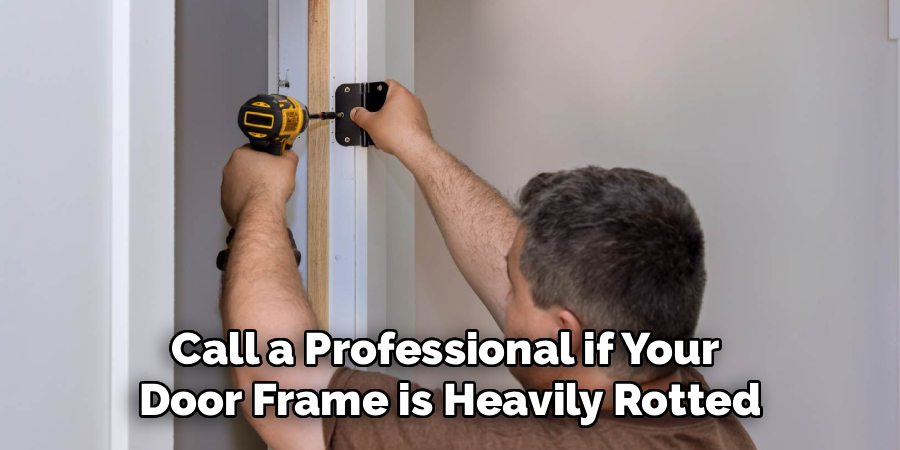
Call a professional if your door frame is heavily rotted or damaged by termites. You might need structural repairs.
If you have a high-security smart lock or a complex mortise lock, hire a pro. Tinkering with these can void your warranty.
If your home recently suffered a break-in, let a locksmith handle the hardware. They ensure your home is fully secure.
Finally, if you have tried all the steps above and the door still swings open, call for help. A fresh set of expert eyes will find the hidden issue.
Cost Estimate: DIY vs. Pro Repair
Budgeting is a big part of home maintenance. Let us compare the costs of fixing this yourself versus hiring help.
DIY Cost:
If you already own a screwdriver, this fix might cost you zero dollars.
A tube of graphite powder costs about $5. A brand new strike plate is only $3 to $8.
Even if you replace the entire standard doorknob, you will only spend $15 to $30 at the hardware store.
Professional Cost:
Hiring a locksmith or a handyman is much pricier.
Most professionals charge a call-out fee just to show up. This ranges from $50 to $100.
Labor and parts will add another $50 to $150.
Total professional repair can easily cost between $100 and $250 for a five-minute fix.
Doing it yourself keeps that money right in your pocket.
Frequently Asked Questions About Door Latches
You might still have a few lingering questions. Here are the most common things people ask about door locks and latches.
How do I fix a door latch that won’t spring back?
A stuck latch is usually caused by dirt or a broken internal spring. Try spraying graphite powder into the mechanism and turning the knob. If it still does not spring back, you likely need to buy a replacement doorknob.
Can I use WD-40 on my door latch?
No, you should avoid standard WD-40 for locks. It is oil-based and attracts dust over time, creating a sticky sludge. Always use a dry lubricant like graphite powder or Teflon spray.
Why does my door latch close but not catch?
If it closes but does not click, the latch bolt is missing the strike plate hole. This is caused by loose hinges or a house settling. You need to adjust the strike plate up or down to fix the alignment.
Is it hard to learn how to repair door latch mechanisms?
Not at all! Most door latch problems require only a screwdriver and ten minutes of your time. It is one of the most beginner-friendly DIY projects for any homeowner.
How long do door latches usually last?
A good quality interior door latch can last 15 to 30 years. Exterior latches face harsh weather and might need replacing every 10 to 15 years. Regular cleaning and lubrication extend their lifespan significantly.
Conclusion
Dealing with a stubborn door is a nuisance, but you now have the skills to handle it.
Learning how to repair door latch issues is incredibly rewarding. You save money, secure your home, and gain valuable DIY confidence.
Start by checking your hinges. Then, clean your mechanisms and adjust your strike plate. You will hear that satisfying click in no time.
Do not let a minor house quirk stress you out. Grab your screwdriver and show that door who is boss today.
Have you tackled a tricky door latch recently? Leave a comment below and share your DIY success story with us!