

Noticing a crack or a lean in your backyard stone barrier can be a huge source of stress. You might immediately worry about a massive contractor bill.
But figuring out how to repair a retaining wall yourself is easier than you think. Homeowners and DIY enthusiasts tackle this problem every day.
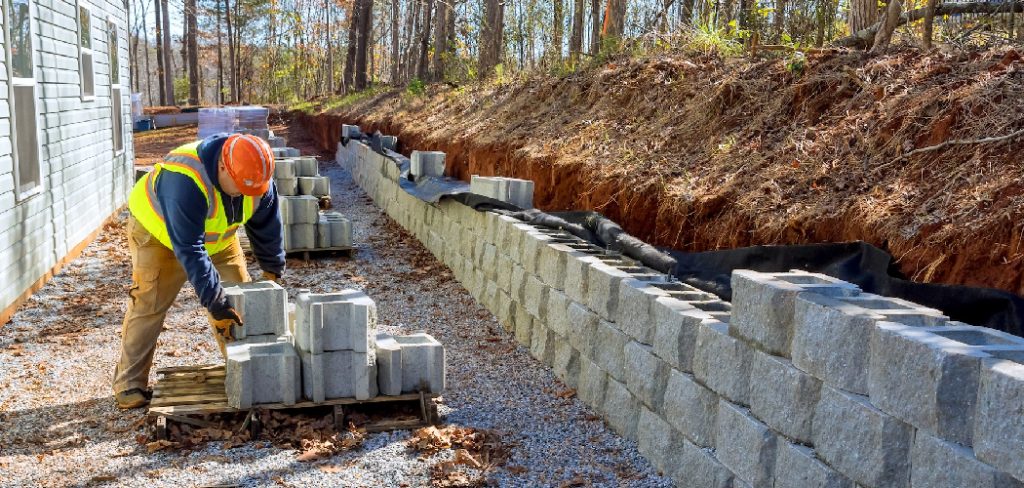
By taking matters into your own hands, you can save hundreds, if not thousands, of dollars. You just need a free weekend, some basic tools, and a bit of elbow grease.
Whether your wall is leaning, cracking, or bulging, this guide will walk you through the fix. Let us grab our tools and get your yard looking perfect again.
What Causes Retaining Wall Failures?
Before you dig in, it helps to understand why this happened in the first place. Walls rarely fail without a good reason.
Here are the most common culprits behind a failing structure:
- Excess Soil Pressure: Wet, heavy dirt pushes hard against the structure. If the wall cannot handle the load, it begins to bow or lean outward.
- Poor Drainage: Water must have a way to escape. Without proper weeping holes or gravel, water pools up and forces the blocks apart.
- Frost Heave: In colder climates, water trapped in the soil freezes and expands. This ice pushes against the blocks and causes cracks.
- Invasive Tree Roots: Large trees planted too close will send thick roots under the foundation. As roots grow, they easily lift and break heavy stones.
- Deteriorating Mortar: For masonry structures, the binding agent simply crumbles over time. Weather and age cause the joints to weaken and fail.
- Poor Initial Construction: Sometimes the original builders skipped the base trench. Without a deeply buried first row, the structure lacks stability.
Tools & Materials Needed for the Job
You need the right gear to do this job safely and correctly. Having everything ready saves you a mid-project trip to the hardware store.
Here is exactly what you need to gather.
Digging and Moving Tools
You will be moving heavy dirt and stone. A sturdy wheelbarrow is absolutely essential.
You also need a square-point shovel for scraping flat trenches and a spade for digging. Bring a heavy-duty pry bar to help lift stubborn stones out of the mud.
Safety Gear
Never skip protecting your body. Buy a good pair of thick leather work gloves to prevent painful crushed fingers.
Wear steel-toed boots to protect your feet from dropped blocks. Grab protective safety glasses to shield your eyes from flying dust and debris.
Building Materials
Your materials depend on the specific damage, but these are the basics. You need crushed gravel to rebuild the base and backfill the drainage zone.
Pick up landscape fabric to separate the soil from the gravel. If you have a brick or concrete structure, grab a bag of high-quality mortar and a trowel.
You also need a large carpenter’s level and a rubber mallet to ensure everything sits perfectly flat.
Step-by-Step Guide on How to Repair a Retaining Wall
Learning how to repair a retaining wall takes patience. Take it one step at a time, and do not rush the base work.
Follow these beginner-friendly steps to fix a leaning or bulging section.
Step 1: Safely Dismantle the Damaged Section
Do not try to push a leaning block back into place. You must remove the damaged section entirely to fix the root cause.
Carefully lift the top blocks off and set them safely to the side. Work your way down until you reach the stable, undamaged rows.
Keep your blocks organized so they fit back together like a puzzle later.
Step 2: Dig Out the Backfill
Once the blocks are out of the way, grab your shovel. You need to dig out the dirt directly behind the damaged area.
Dig back at least 12 to 18 inches to give yourself plenty of working room. This exposes the hidden drainage issues causing the soil pressure.
Read More: How to Repair Home Foundation Cracks.
Step 3: Fix the Drainage System
Poor drainage is the number one enemy of backyard structures. Lay down a sheet of landscape fabric against the dirt wall you just dug out.
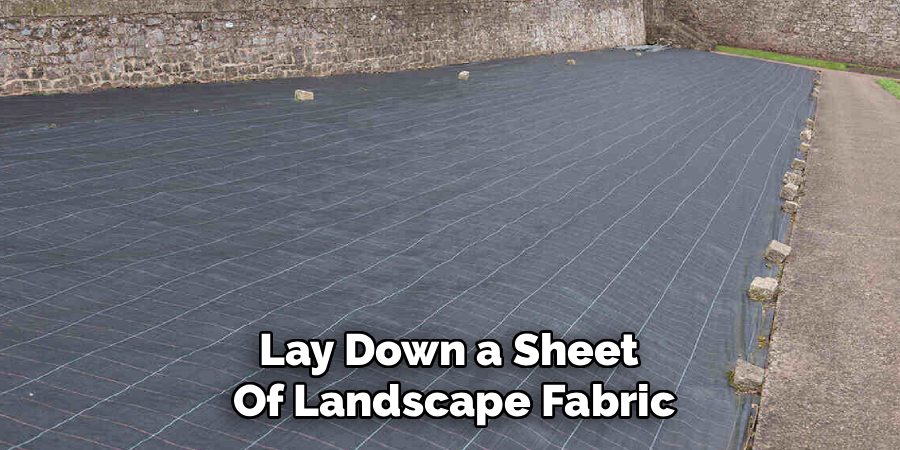
Ensure the weeping pipe at the bottom is clear of mud and debris. If there is no pipe, lay a perforated drain pipe wrapped in fabric at the base.
Step 4: Re-Level the Foundation
If the bottom row shifted, you must reset the foundation. Dig a fresh trench and fill it with two inches of crushed gravel.
Use your heavy hand tamper to pack the gravel down tightly. Place a long level across the gravel to ensure it is perfectly flat before adding blocks.
Step 5: Rebuild the Block Rows
Start placing your blocks back onto the freshly leveled gravel base. Use your rubber mallet to tap each stone firmly into place.
Check your level constantly. Every single block must be level side-to-side and front-to-back.
If you are fixing a masonry structure, apply a fresh layer of mortar between each brick. Scrape away the excess mortar with your trowel for a clean look.
Step 6: Add Gravel Backfill
Never put plain dirt directly behind your freshly laid blocks. Dirt holds water and will ruin your hard work again.
Fill the 12-inch gap behind the blocks completely with crushed gravel. This allows rain to trickle straight down to the drain pipe.
Read More: How to Repair Concrete Block Wall Damage.
Step 7: Fold Fabric and Top with Soil
Once the gravel reaches about six inches from the top, fold the landscape fabric over it. This creates a barrier so topsoil cannot wash down and clog your gravel.
Finally, add topsoil over the fabric to match your yard’s grade. Plant grass or flowers to hide the repair zone completely.
Important Safety Warnings
Moving heavy stones and dirt comes with real risks. Always lift with your legs, not your back, to avoid a serious strain.
Take frequent breaks and drink plenty of water, especially on hot summer afternoons.
If you have to dig deep trenches, call 811 before you start. You must ensure there are no buried gas lines or electrical wires in your dig zone.
Never try to fix a collapsing structure while the ground is heavily saturated from rain. Wait for a dry week so the mud is stable and safe to move.
When to Call a Professional
DIY is great, but knowing your limits keeps you safe. Some projects are simply too dangerous or complex for a weekend warrior.
Call a structural expert if your wall is taller than three feet. Walls over this height hold back literal tons of earth and require complex engineering.
You should also hire a pro if the structure sits right next to your home’s foundation. A failure there could severely damage your house.
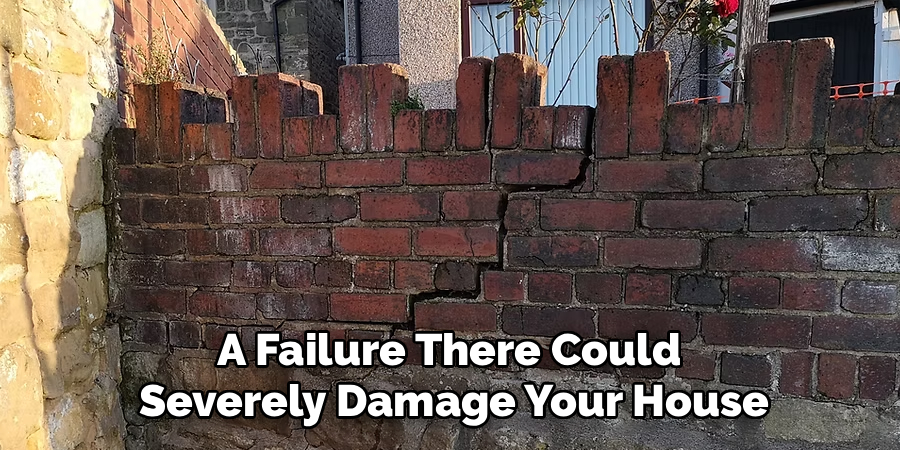
Finally, if the entire span is leaning rather than just a small section, bring in an expert. Full replacements usually require heavy excavation equipment.
Cost Estimate: DIY vs. Pro
One of the best parts about doing this yourself is keeping cash in your pocket.
If you tackle this on your own, you only pay for materials. A few bags of gravel, landscape fabric, and mortar will run you between $50 and $150.
If you need to replace broken blocks, add another $5 to $15 per block. Most small DIY repairs cost under $300 total.
Hiring a professional is a completely different story. Contractors charge for labor, heavy equipment, and markup on materials.
A professional repair typically costs between $50 and $150 per square foot. For a standard backyard issue, you can expect a bill ranging from $1,000 to $3,500.
Frequently Asked Questions
You might still have a few specific questions about your backyard project. Here are quick answers to common issues.
Can I just push a leaning wall back into place?
No. Pushing it back will not fix the underlying soil pressure or drainage issues. You must dismantle the section, fix the base, and rebuild it correctly.
What is the best backfill to use?
Always use crushed angular gravel for backfill. Gravel drains water rapidly and does not hold moisture against the blocks like regular dirt does.
How often do retaining walls need to be replaced?
A properly built structure should last decades. Concrete block and stone can easily last 50 to 100 years if the drainage system remains clear.
Does mortar stop walls from leaning?
Mortar holds bricks together, but it does not stop soil pressure. If the drainage is bad, water pressure will simply crack the mortar and push the bricks over anyway.
Do I need a permit for this repair?
You usually do not need a permit for minor repairs on structures under three feet tall. However, always check your local building codes before starting any major dirt excavation.
Conclusion
Taking care of your property does not have to cost a fortune. You now know exactly how to repair a retaining wall without calling an expensive contractor.
By understanding soil pressure, fixing your drainage, and carefully leveling your base, you can restore your yard’s beauty. Grab your shovel, round up your materials, and take pride in your hard work.
Have you ever tackled a hardscaping project in your backyard? Drop a comment below with your best DIY tips, or share this guide with a neighbor who might need it!