

You pull the cord to let the morning light in, but your window shades refuse to move. Perhaps a slat falls completely off the track and hits the floor. Broken window treatments are a common frustration for both homeowners and renters.
You might assume a broken track or snapped slat means you need to buy a whole new set. Fortunately, learning how to repair vertical blinds is much easier than you think. You do not need special skills to fix them.
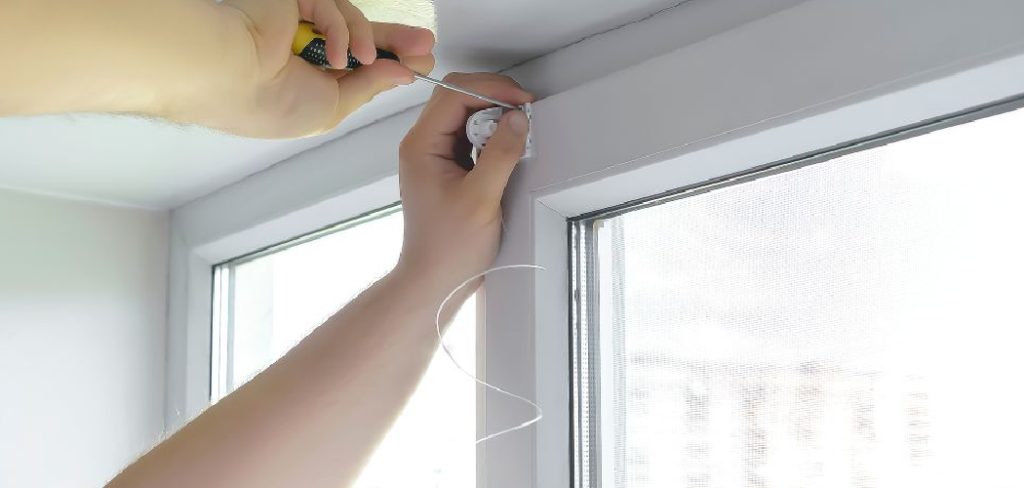
Tackling this quick project yourself saves you a significant amount of money. You can usually buy cheap replacement parts for a few dollars instead of hiring a costly technician. Plus, you get the satisfaction of solving the problem with your own two hands.
Let us walk through the exact steps to get your window coverings working perfectly again.
What Causes This Problem?
Window fixtures deal with daily wear and tear. Over time, constant pulling and twisting take a toll on the plastic and metal components.
Here are the most common reasons your window treatments stop working properly:
- Brittle plastic slats (vanes): Sun exposure bakes the plastic, making the tops crack and snap off easily.
- Tangled pull cords: Rough pulling causes the internal strings to knot, jamming the entire mechanism.
- Broken carrier clips: The tiny stems that hold each slat can snap if the shade is pulled while the slats are closed.
- Dusty or blocked tracks: Dirt, pet hair, and debris build up inside the headrail, preventing smooth gliding.
- Snapped spacer chains: The delicate chain connecting the slats at the bottom easily catches on pets or shoes.
- Misaligned gears: Twisting the wand too forcefully forces the internal gears out of sync.
Tools & Materials Needed
Before you climb up on a step stool, gather your supplies. Having everything within reach makes the process fast and completely stress-free.
Here is exactly what you need to start your repair project:
- Vane savers (metal clips) or replacement slats: Essential for fixing cracked holes at the top of a slat.
- Replacement stem carriers: These hold the slats inside the track.
- Silicone-based lubricating spray: Crucial for smoothing out a sticky headrail track.
- Needle-nose pliers: The best tool for pulling out broken plastic stems.
- Flathead screwdriver: Useful for popping open the headrail or gently prying parts apart.
- A sturdy step stool or ladder: So you can safely reach the top track without overextending.
- A clean, damp cloth: For wiping away years of built-up dust and grime.
Step-by-Step Guide: How to Repair Vertical Blinds
Fixing your window shades depends entirely on what part is actually broken. We have broken this guide down into the most common issues you will face.
Simply find the problem that matches yours, and follow the beginner-friendly steps below. Learning how to repair vertical blinds is highly straightforward once you know where to look.
How to Fix a Slat with a Broken Top Hole
This is the most common issue. The thin plastic above the hole snaps, and the slat falls down.
- Remove the fallen slat: Pick up the broken slat and bring it to a flat work surface.
- Wipe the slat clean: Use your damp cloth to wipe dust away from the top edge.
- Grab a metal vane saver: These slide right over the broken plastic hole to create a brand-new, reinforced hole.
- Press the saver over the top: Slide the curved metal clip firmly over the broken end until it clicks into place.
- Rehang the slat: Hook the newly repaired slat back onto the small plastic stem hanging from the track.
- Test the movement: Gently twist your control wand to ensure the slat turns smoothly with the others.
How to Unjam a Stuck Headrail Track
If your shades refuse to slide open or closed, the track is likely dirty or jammed. Never force the pull cord, as this will snap the internal string.
- Open the slats completely: Twist the wand so the flat sides of the slats face open.
- Inspect the inside track: Look up into the metal headrail with a flashlight.
- Clear out visible debris: Use tweezers or a cotton swab to pull out any dead bugs, pet hair, or dust bunnies.
- Wipe the track: Run your damp cloth carefully along the inside of the metal rail.
- Apply silicone lubricant: Spray a tiny amount of silicone spray onto a clean rag.
- Rub the lubricant inside: Wipe the lubricated rag along the inner metal track where the plastic wheels glide.
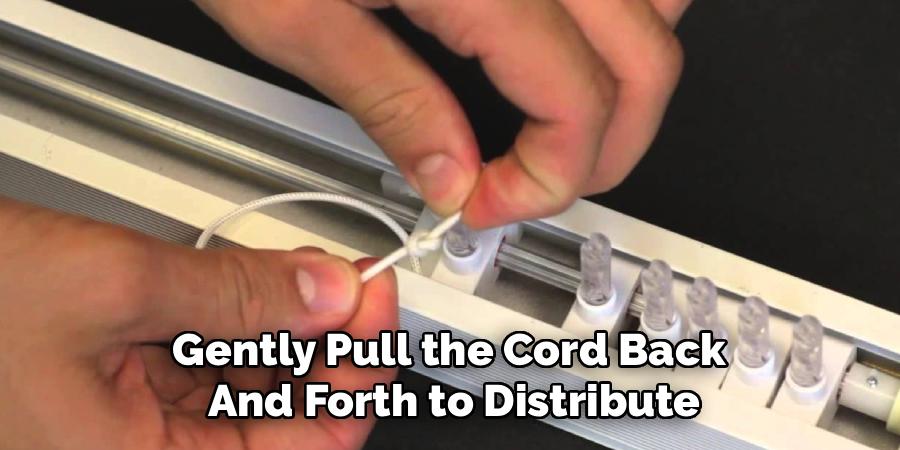
- Test the pull cord: Gently pull the cord back and forth to distribute the lubricant.
How to Replace a Broken Carrier Stem
Sometimes the tiny plastic clip holding the slat simply snaps in half. You will need a replacement stem, which you can find cheaply online or at a hardware store.
- Remove the affected slat: Carefully unhook the slat from the broken stem and set it aside.
- Grab your needle-nose pliers: Reach up into the track and grip the broken plastic stem securely.
- Pull the broken stem out: Wiggle the pliers firmly while pulling downward to pop the broken piece out of the gear.
- Align the new stem: Take your replacement stem and hold it up to the empty slot in the gear.
- Push the stem into place: Press upward firmly until you hear a loud, satisfying click.
- Reattach the slat: Hook your slat back onto the new stem.
- Realign the blinds: If the new slat faces the wrong way, gently twist the stem by hand until it matches the others.
How to Fix a Broken Bottom Spacer Chain
If your slats are swinging wildly in the breeze, your bottom spacer chain is likely snapped.
- Locate the broken section: Find exactly where the delicate plastic chain has separated.
- Pop out the broken clips: Gently pull the broken chain attachments off the bottom of the affected slats.
- Measure a replacement chain: Cut a new piece of blind chain to match the exact length of the broken section.
- Snap the new chain on: Press the C-shaped clips on the new chain onto the small weights at the bottom of the slats.
- Check the tension: Ensure the chain has enough slack so the slats can twist open without pulling tight.
How to Realign Out-of-Sync Slats
Sometimes one slat faces left while the rest face right. This looks messy, but it takes less than a minute to fix.
- Locate the misaligned slat: Find the specific slat that refuses to match its neighbors.
- Twist the control wand: Turn the wand until all the correctly working slats are completely closed.
- Gently force the wand: Keep twisting the wand slightly past the point of resistance.
- Listen for the grinding sound: You will hear a loud clicking noise as the internal gears realign themselves.
- Check the alignment: Turn the wand back the other way to ensure all slats now open and close in perfect unison.
Safety Warnings to Keep in Mind
DIY repairs are incredibly rewarding, but safety must always come first. Working near windows and overhead tracks requires a bit of caution.
Always use a sturdy, locked step stool or a proper ladder. Never stand on a swivel chair, soft sofa, or an unstable stack of books.
Keep any chemical lubricants, like silicone spray, away from your eyes and skin. Work in a well-ventilated room, and avoid spraying lubricant directly onto your windows or flooring.
Finally, keep small replacement parts and loose spacer chains far away from small children and pets. These tiny plastic pieces are significant choking hazards.
When to Call a Professional for Help
Most track and slat repairs take less than twenty minutes for a beginner to handle. However, there are limits to what a quick DIY fix can achieve.
You should hire a professional if the internal cord mechanism snaps completely. Restringing a complex headrail requires special tools and can be intensely frustrating for a beginner.
Consider calling for help if your headrail is physically bent or dented. A warped track usually cannot be bent back into perfect shape and often requires a full replacement.
Lastly, if your window treatments are motorized or controlled by a smart home system, leave the repair to an expert. Tinkering with electrical components voids warranties and carries a risk of shock.
Cost Estimate: DIY vs. Professional Repair
Handling these fixes yourself is incredibly budget-friendly. Most replacement parts cost roughly $5 to $15 at a local hardware store.
A pack of metal vane savers usually runs about $6, while a set of replacement stems costs nearly the same. A can of silicone spray will set you back about $8, and you can use it for years.
Hiring a professional tells a completely different story. Most blind repair technicians charge a minimum call-out fee of $75 to $100 just to look at the problem.
With labor and marked-up parts included, a professional fix easily costs between $120 and $200. Doing the work yourself keeps that cash firmly in your wallet.
Frequently Asked Questions About How to Repair Vertical Blinds
You probably still have a few specific questions about your window treatments. We have gathered the most common queries to help you finish your project with complete confidence.
Can I glue a broken slat back together?
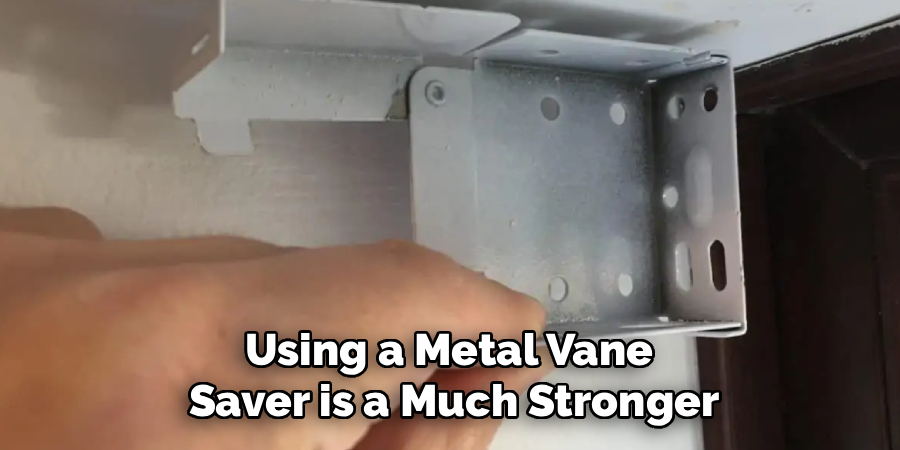
Super glue or tape is a poor long-term solution for broken plastic slats. The daily pulling motion easily breaks the glue bond within a few days. Using a metal vane saver is a much stronger, permanent fix.
Why are my blinds so hard to pull open?
Your headrail track is likely filled with dust, or the internal gears are completely bone dry. Cleaning the track and applying a silicone-based lubricant almost always solves this issue instantly.
Can I just use WD-40 on my sticky tracks?
You should avoid using standard WD-40 on your window tracks. It attracts heavy dust and leaves a sticky, greasy residue that ruins plastic gears over time. Always opt for a dry silicone spray instead.
Where can I buy replacement parts?
You can find stems, chains, and vane savers at major home improvement stores like Home Depot or Lowe’s. Online retailers also sell massive repair kits for under twenty dollars.
Do I need to take the whole track down to fix it?
You rarely need to take the heavy metal track off the wall. Most fixes, including swapping stems and fixing slats, are easily done while the headrail remains firmly mounted.
Conclusion
Dealing with broken window treatments does not have to ruin your day. Now that you know exactly how to repair vertical blinds, you can tackle this project with confidence.
By taking a few minutes to swap a broken stem or attach a vane saver, you restore your room’s privacy and lighting control. You also save a substantial amount of money by skipping the expensive repair technician.
Gather your tools, grab your replacement parts, and get those shades sliding smoothly again. If you found this repair guide helpful, please share it with a neighbor or leave a comment below about your successful fix!